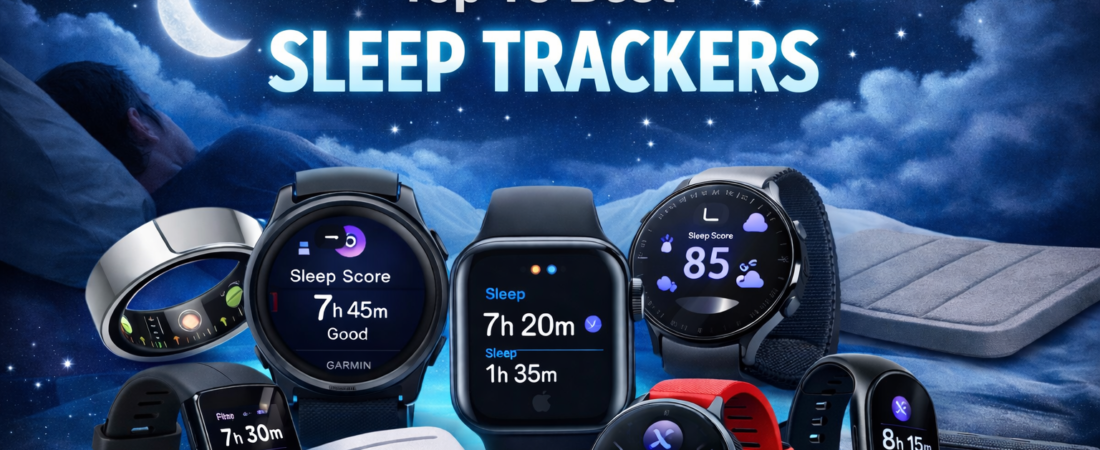
Good sleep isn’t a luxury — it’s a necessity. But with busy schedules, stress, and screen time, achieving quality sleep can be challenging. That’s where our review of the top 10 sleep trackers comes in. These smart devices go beyond counting hours of rest; they analyze your sleep phases, detect disruptions, and supply individualized insights to help you optimize your recovery.
Whether you’re a fitness lover, a wellness enthusiast, a student, or just a person who wants to wake up feeling great, here are the 10 best sleep trackers for healthier sleep that are tested, trusted, and perfect for every budget.
🏆 Top 10 Best Sleep Trackers (2025 Edition)
| 1 | Fitbit Charge 6 | Overall performance | 7 days | Sleep stages, HRV, stress tracking, Google integration |
| 2 | Oura Ring Gen 3 | Premium accuracy | 4–7 days | Temperature, readiness score, stylish ring design |
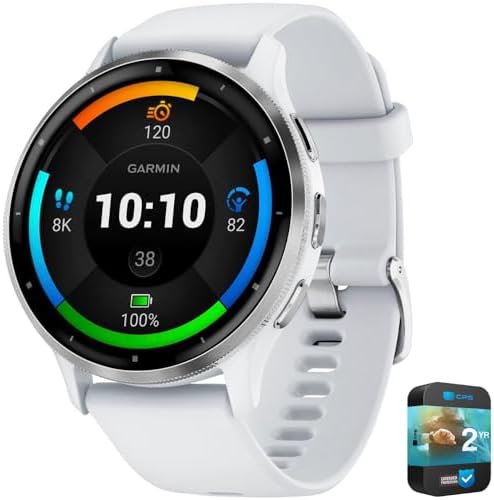
| 3 | Garmin Venu 3 | Athletes and fitness users | 10 days | Body battery, sleep score, HRV stress data |
| 4 | Apple Watch Series 10 | Apple ecosystem users | 18 hrs | Sleep app, heart rate, temperature, snore detection |
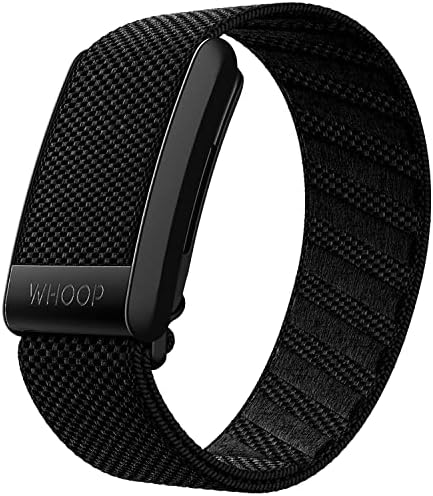
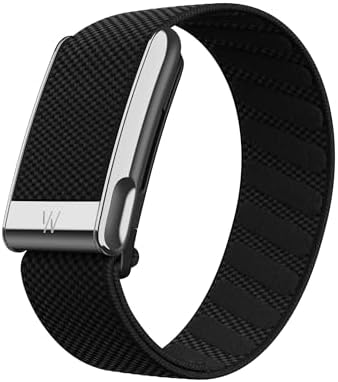
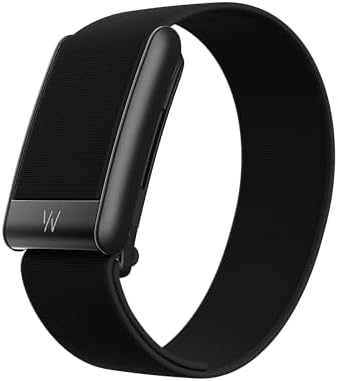
| 5 | Whoop 4.0 | Recovery & training optimization | 5 days | Strain score, sleep coach, no display (subscription) |
| 6 | Withings Sleep Analyzer | Non-wearable users | Plug-in | Under-mattress sleep tracking, snoring & apnea detection |
| 7 | Samsung Galaxy Watch 7 | Android integration | 5 days | SpO2, sleep coaching, temperature monitoring |
| 8 | Amazfit Balance | Budget-friendly | 14 days | Sleep tracking, stress monitor, AI coach |
| 9 | Polar Ignite 3 | Runners and sports users | 5 days | Sleep insights, recovery data, lightweight design |
| 10 | Xiaomi Smart Band 9 | Entry-level tracking | 10 days | Sleep score, REM data, affordable price |
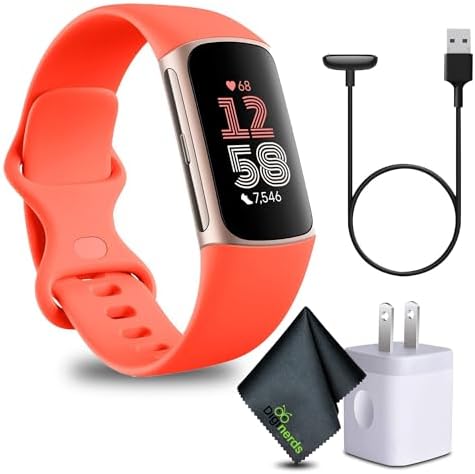
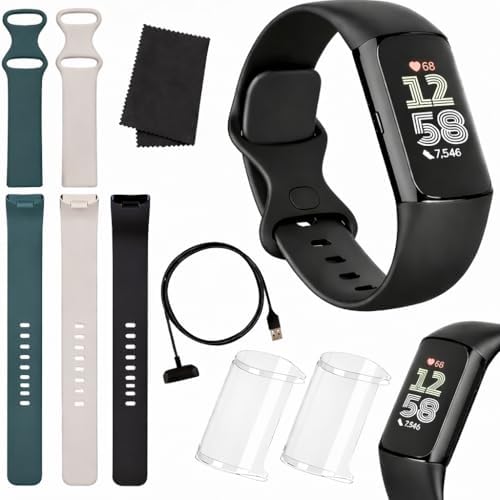
1. Fitbit Charge 6 — Best Overall Sleep Tracker
The Fitbit Charge 6 balances detailed sleep, heart rate, and HRV tracking with Google Health integration.
Sleep Score details your light, deep, and REM stages and gives actionable bedtime advice.
Pros:
- Highly accurate sleep tracking
- 7-day battery
- Comfortable for all-night wear
Cons:
- Lacks advanced recovery features found in Whoop or Oura




2. Oura Ring Gen 3 — Best Premium Sleep Tracker
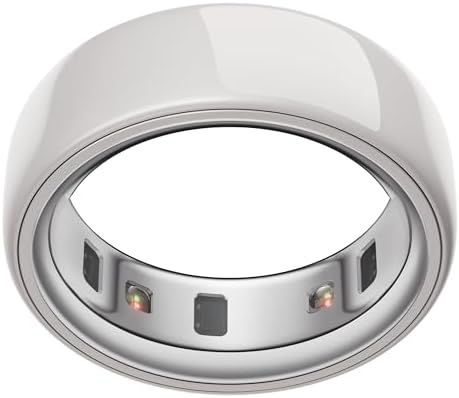
Sleek, minimal, and impressively smart — the Oura Ring Gen 3 is a top pick among biohackers and wellness enthusiasts. It tracks heart rate, temperature, and even subtle finger pulse patterns to detect your sleep quality with near-medical precision.
Pros:
- Ultra-comfortable and stylish
- Readiness and recovery scoring
- No screen distractions
Cons:
- Subscription required for in-depth insights
- Expensive compared to smart bands


3. Garmin Venu 3 — Best for Fitness and Sleep Tracking
If you want an all-around health companion, the Garmin Venu 3 is unbeatable. It not only monitors sleep but also tracks stress, recovery, and energy levels with its Body Battery feature. The AMOLED display is crystal-clear, and the 10-day battery life is excellent.
Pros:
- Accurate HRV and sleep data
- Works offline with Garmin Connect
- Long battery life
Cons:
- Pricey for casual users


4. Apple Watch Series 10 — Best for Apple Users
Apple’s latest smartwatch has finally mastered sleep tracking. The Series 10 introduces advanced sleep stage detection, snore monitoring, and overnight temperature tracking. Its seamless iPhone integration makes it perfect for Apple loyalists.
Pros:
- Excellent Apple Health integration
- Beautiful design and premium feel.
- Improved battery efficiency
Cons:
- Limited to the Apple ecosystem
- 18-hour battery life
![Apple Watch Series 10 [GPS, 46mm] - Jet Black Aluminum Case with Black Sport Band, M/L (Renewed)](https://m.media-amazon.com/images/I/41MfXi9ERtL._AC_.jpg)
![Apple Watch Series 10 [GPS + Cellular 46mm] - Slate Titanium Case with Black Sport Band, M/L (Renewed)](https://m.media-amazon.com/images/I/41qU2vJ79mL._AC_.jpg)
![Apple Watch Series 11 [GPS 42mm] Smartwatch with Jet Black Aluminum Case with Black Sport Band - S/M. Sleep Score, Fitness Tracker, Health Monitoring, Always-On Display, Water Resistant](https://m.media-amazon.com/images/I/41s72HIk5TL._AC_.jpg)
![Apple Watch Series 10 [GPS, 42mm] - Jet Black Aluminum Case with Black Sport Band, S/M (Renewed Premium)](https://m.media-amazon.com/images/I/41iMB7mtTqL._AC_.jpg)
![Apple Watch Series 10 [GPS, 46mm] - Silver Aluminum Case with Blue Cloud Sport Loop (Renewed)](https://m.media-amazon.com/images/I/41strTLEjpL._AC_.jpg)
![Apple Watch Series 10 [GPS, 42mm] - Rose Gold Aluminum Case with Light Blush Sport Band, S/M (Renewed Premium)](https://m.media-amazon.com/images/I/41RKFauooHL._AC_.jpg)
5. Whoop 4.0 — Best for Athletes and Recovery Insights
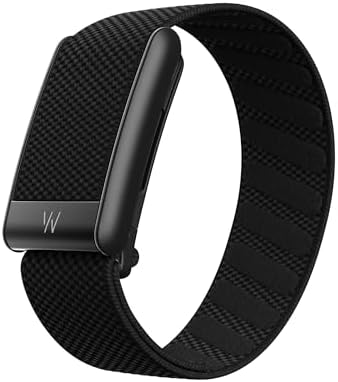
The Whoop 4.0 is not your typical smartwatch — it’s a performance recovery tool. It doesn’t have a screen, but its Sleep Coach and Strain Score features use data to tell you exactly how much rest you need based on daily exertion.
Pros:
- Excellent for athletes and trainers
- Detailed recovery analytics
- Comfortable strap design
Cons:
- Subscription required
- Takes a few days to calibrate


6. Withings Sleep Analyzer — Best Non-Wearable Tracker
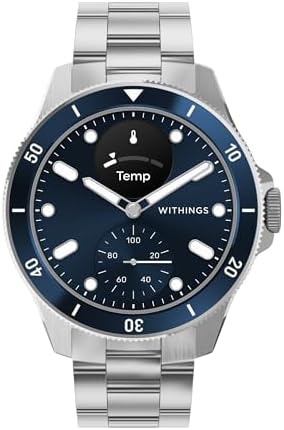
Don’t like wearing devices to bed? The Withings Sleep Analyzer slides under your mattress and automatically tracks your sleep. It monitors snoring, breathing disturbances, and even possible indicators of sleep apnea.
Pros:
- No wearable needed
- Medical-grade accuracy
- Sleep apnea detection
Cons:
- Needs a power outlet connection
- No fitness tracking


7. Samsung Galaxy Watch 7 — Best for Android Users
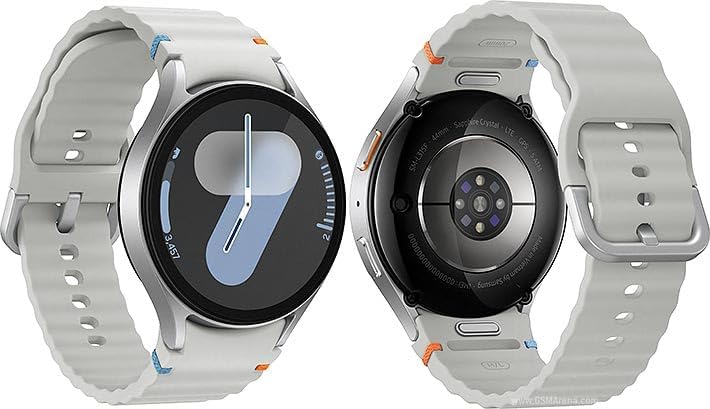
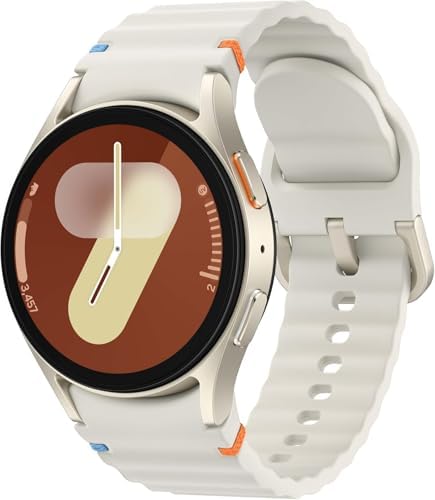
The Galaxy Watch 7 combines AI-powered sleep coaching with accurate tracking of oxygen levels and skin temperature. It integrates perfectly with Samsung Health and includes smart alarms for gentle wake-ups.
Pros:
- Great Android support
- Rich sleep insights
- Beautiful design
Cons:
- The battery lasts around 5 days




8. Amazfit Balance — Best Budget Sleep Tracker
If you want a capable device without breaking the bank, the Amazfit Balance is your match. It tracks all major sleep metrics and provides customized insights via the Zepp OS.
Pros:
- Great value for money
- Long 14-day battery
- Comfortable and stylish
Cons:
- Less accurate HRV readings


9. Polar Ignite 3 — Best for Active Sleepers
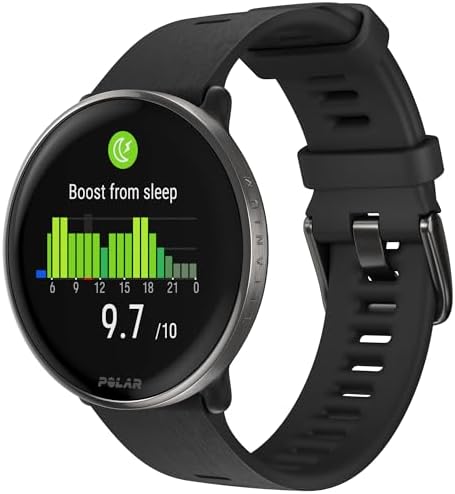
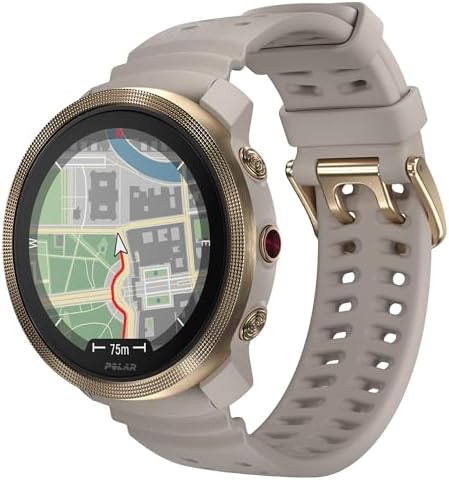
The Polar Ignite 3 tracks Nightly Recharge, helping you see how well your body recovers after workouts. It’s lightweight, comfortable, and backed by Polar’s renowned fitness analytics.
Pros:
- Excellent sleep recovery data
- Lightweight design
- Built-in GPS
Cons:
- The interface could be smoother



10. Xiaomi Smart Band 9 — Best Entry-Level Option
For beginners, the Xiaomi Smart Band 9 delivers surprising accuracy at a fraction of the cost. It tracks REM sleep, total sleep time, and heart rate overnight — perfect for anyone starting their wellness journey.
Pros:
- Very affordable
- Long-lasting battery
- Simple, easy to use
Cons:
- Basic analytics
- No advanced metrics


💡 Tips to Get the Most from Your Sleep Tracker
- Wear it consistently — Data improves with regular use.
- Sync data daily — Ensure insights stay accurate.
- Use smart alarms — Wake up during light sleep phases.
- Analyze weekly trends — Don’t stress over one bad night.
- Combine with good habits — Reduce caffeine and reduce screen exposure before bedtime.
❓ Frequently Asked Questions (FAQs)
Q1. Are sleep trackers accurate?
They’re fairly accurate for tracking sleep duration and trends, though they can’t replace medical sleep studies.
Q2. Can sleep trackers detect sleep apnea?
Some devices, such as the Withings Sleep Analyzer, can detect breathing disturbances that might indicate apnea.
Q3. Which sleep tracker has the best battery life?
The Amazfit Balance and Garmin Venu 3 last up to 10–14 days per charge.
Q4. Do sleep trackers work without a phone?
Yes, most modern devices store data locally and sync when connected.
Q5. Which tracker offers the most scenes for an athlete?
Whoop 4.0 and Garmin Venu 3 are ideal for recovery and performance tracking.
Q6. Are there any free sleep tracking options?
Yes — free apps like Sleep Cycle or Google Fit provide basic features, while extra hardware is required.
💤 Conclusion: The Best Sleep Tracker for You
Choosing the best sleep tracker depends on your goals.
- If you want balance and simplicity, go for the Fitbit Charge 6.
- For elite accuracy and style, the Oura Ring Gen 3 stands out.
- For fitness and recovery, the Garmin Venu 3 or Whoop 4.0 is a level option.
Whichever device you choose, consistency is essential. A sleep tracker is only as powerful as your willingness to act on its insights — use it to build better habits and watch your energy, mood, and health soar.