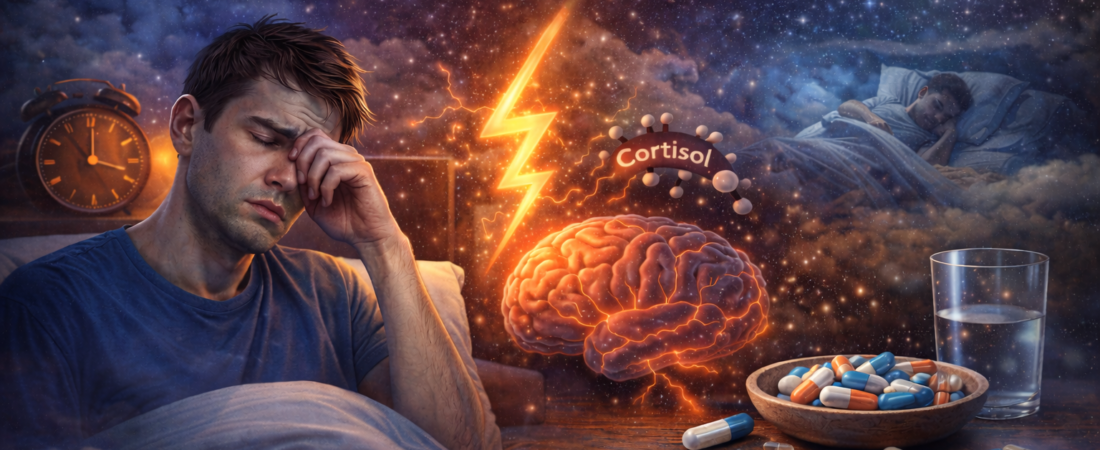
Wake Up Tired After 8 Hours? Unraveling the Mystery of Persistent Fatigue
Did you know that a staggering 35% of adults report feeling tired or drowsy during the day? This common complaint, often described as waking up tired even after a full night’s sleep, can be incredibly disruptive to daily life.
You might be spending eight hours in bed, diligently counting those sheep, only to feel like you haven’t slept at all. This persistent fatigue can impact your mood, concentration, productivity, and overall well-being. But what’s behind this enigmatic exhaustion? Let’s delve into the complex world of sleep and fatigue to unravel the mystery.
The Elusive Nature of Restorative Sleep
Eight hours of sleep is often touted as the golden standard, but the quality of those hours is far more crucial than the quantity alone. True rest isn’t just about being unconscious; it’s about cycling through different sleep stages that allow your body and brain to repair, consolidate memories, and prepare for the day ahead. When this process is interrupted or compromised, you can end up feeling groggy and unrefreshed, even if you were technically asleep for a long time.
🎥 Watch This If You “Feel Tired” but Can’t Shut Your Brain Off at Night
If sleep feels too light, feels fragmented, or you wake up wired despite being physically tired after 8 hours of sleep, this short video explains how stress hormones quietly interfere with your deep, restorative sleep.
If that video sounded familiar, you’re not imagining it.
Feeling “tired after 8 hours of sleep?” is often a stress and timing issue — not a lack of sleep effort. The strategies below focus on calming stress signals and improving sleep quality naturally.
Understanding Sleep Stages
Sleep occurs in cycles, typically lasting about 90-110 minutes each, and we usually go through four to six cycles per night. Each cycle consists of two main types of sleep: Non-Rapid Eye Movement (NREM) and Rapid Eye Movement (REM).
- NREM Sleep: This is further divided into three stages:
- N1 (Light Sleep): The transition from wakefulness to sleep. You might experience muscle twitches and find yourself easily awakened.
- N2 (Deeper Sleep): Your heart rate slows, and body temperature drops. This stage makes up a significant portion of your sleep.
- N3 (Deep Sleep or Slow-Wave Sleep): This is the most restorative stage. Your body repairs tissues, builds bone and muscle, and strengthens the immune system. Waking someone from this stage often results in grogginess and disorientation.
- REM Sleep: Characterized by rapid eye movements, increased brain activity, and vivid dreaming. During REM sleep, your brain processes emotions and consolidates memories. While your body is largely paralyzed to prevent you from acting out your dreams, your brain is highly active.
When these stages are disrupted, or you don’t spend enough time in the crucial N3 and REM stages, the restorative benefits of sleep are diminished, leading to that familiar feeling of waking up tired.
Common Culprits Behind Persistent Fatigue
Several factors can disrupt your sleep architecture, leaving you feeling drained. Identifying these culprits is the first step toward reclaiming your energy.
1. Sleep Disorders
Sleep disorders are a primary cause of non-restorative sleep. They directly interfere with the ability to achieve and maintain healthy sleep patterns.
- Sleep Apnea: A common disorder in which breathing repeatedly stops and starts during sleep. The most prevalent type is obstructive sleep apnea (OSA), which occurs when the throat muscles relax and block the airway. These frequent awakenings, often unnoticed by the sleeper, fragment sleep and prevent deep, restorative stages. Symptoms include loud snoring, gasping for air during sleep, morning headaches, and excessive daytime sleepiness. The American Academy of Sleep Medicine reports that untreated sleep apnea can increase the risk of high blood pressure, heart disease, stroke, and diabetes [1].
- Insomnia: Characterized by difficulty falling asleep, staying asleep, or experiencing non-restorative sleep. Chronic insomnia can be caused by stress, anxiety, depression, poor sleep habits, or underlying medical conditions. The National Sleep Foundation highlights that insomnia can significantly impair daily functioning and quality of life [2].
- Restless Legs Syndrome (RLS): An uncontrollable urge to move your legs, usually accompanied by uncomfortable sensations. These urges typically occur at night or during periods of rest, making it difficult to fall asleep and stay asleep. RLS can be linked to iron deficiency, certain medications, and neurological conditions.
- Narcolepsy: A chronic neurological disorder affecting the brain’s ability to regulate sleep-wake cycles. People with narcolepsy experience excessive daytime sleepiness, sudden sleep attacks, and may also suffer from cataplexy (sudden loss of muscle control), sleep paralysis, and hallucinations.
2. Lifestyle Factors
Your daily habits play a significant role in the quality of your sleep.
- Inconsistent Sleep Schedule: Going to bed and waking up at different times, especially on weekends, can disrupt your circadian rhythm, the body’s internal clock. This misalignment can lead to feelings of jet lag, even without traveling.
- Poor Sleep Hygiene: This encompasses a range of bad habits that interfere with sleep. Examples include:
- Excessive Caffeine and Alcohol Intake: Consuming caffeine late in the day can stimulate your nervous system, making it hard to fall asleep. While alcohol might initially make you feel drowsy, it disrupts sleep later in the night, particularly REM sleep.
- Late-Night Screen Time: The blue light emitted from electronic devices like smartphones, tablets, and computers can suppress melatonin production, a hormone essential for sleep. The Mayo Clinic advises limiting screen use before bed [3].
- Heavy Meals Before Bed: Eating large, rich, or spicy meals close to bedtime can cause indigestion and discomfort, making it difficult to sleep soundly.
- Lack of Physical Activity: While regular exercise can improve sleep quality, exercising too close to bedtime can be stimulating for some individuals.
- Uncomfortable Sleep Environment: A bedroom that is too hot, too cold, too bright, or too noisy can prevent you from entering deeper sleep stages.
- Stress and Anxiety: Worrying about work, relationships, or finances can keep your mind racing, making it difficult to relax and fall asleep. Chronic stress can lead to a heightened state of alertness that persists even when you’re trying to sleep.
3. Medical Conditions
Several underlying medical issues can contribute to persistent fatigue, often by disrupting sleep or directly affecting energy levels.
- Chronic Pain: Conditions such as arthritis, fibromyalgia, or back pain can make it difficult to find a comfortable sleeping position and lead to frequent awakenings.
- Mental Health Conditions: Depression and anxiety disorders are strongly linked to sleep disturbances. People with depression may experience insomnia or hypersomnia (excessive sleeping), while anxiety can cause racing thoughts and difficulty relaxing.
- Hormonal Imbalances: Conditions such as thyroid disorders (hypothyroidism or hyperthyroidism), adrenal fatigue, or hormonal changes during menopause can affect energy levels and sleep quality.
- Nutritional Deficiencies: Lack of essential nutrients, particularly iron (leading to anemia) or B vitamins, can cause fatigue. Anemia, for instance, reduces the oxygen-carrying capacity of your blood, leading to tiredness.
- Chronic Fatigue Syndrome (CFS) / Myalgic Encephalomyelitis (ME): A complex disorder characterized by extreme fatigue that doesn’t improve with rest and can worsen with physical or mental activity.
- Diabetes: Fluctuations in blood sugar levels can disrupt sleep and cause daytime fatigue.
- Heart Disease: Conditions affecting the heart can reduce oxygen supply and cause fatigue.
- Autoimmune Diseases: Conditions like lupus or rheumatoid arthritis can cause inflammation and fatigue.
4. Medications
Certain medications can have side effects that include drowsiness, insomnia, or disrupted sleep patterns. Diuretics, antidepressants, beta-blockers, and corticosteroids are just a few examples of drug classes that can impact sleep. If you suspect your medication is affecting your sleep, it’s crucial to discuss this with your doctor.
5. Environmental Factors
Your surroundings can significantly influence sleep quality.
- Light Exposure: Even small amounts of light can disrupt melatonin production. This includes light from street lamps, electronic devices, or a partner’s reading light.
- Noise: Unfamiliar or sudden noises can cause you to stir or wake up, fragmenting your sleep.
- Temperature: A room that is too warm or too cold can make it difficult to fall asleep and stay asleep. The ideal sleep temperature is generally between 60 and 67°F (15 and 19°C).
- Air Quality: Poor ventilation or allergens in the bedroom can affect breathing and sleep quality.
Strategies for Improving Sleep Quality and Reducing Fatigue
If you’re consistently waking up tired, it’s time to take action. Here are some evidence-based strategies to help you achieve more restorative sleep.
1. Optimize Your Sleep Hygiene
This is the foundation of good sleep. Making consistent, positive changes to your daily habits can have a profound impact.
- Establish a Consistent Sleep Schedule: Go to bed and wake up around the same time every day, even on weekends. This helps regulate your body’s natural sleep-wake cycle.
- Create a Relaxing Bedtime Routine: Wind down for at least an hour before bed. This could include taking a warm bath, reading a physical book (not on a screen), listening to calming music, or practicing gentle stretching or meditation.
- Optimize Your Sleep Environment: Ensure your bedroom is dark, quiet, and cool. Use blackout curtains, earplugs, or a white noise machine if necessary. Invest in a comfortable mattress and pillows.
- Limit Exposure to Blue Light: Avoid screens (phones, tablets, computers, TVs) for at least an hour before bedtime. If you must use them, consider using blue light filters or night mode settings.
- Watch Your Diet: Avoid heavy meals, caffeine, and alcohol close to bedtime. If you’re hungry, opt for a light, healthy snack.
- Regular Exercise: Engage in regular physical activity, but try to finish your workouts at least a few hours before bed.
- Mindful Napping: If you need to nap, keep it short (20-30 minutes) and avoid napping too late in the afternoon, as it can interfere with nighttime sleep.
2. Manage Stress and Anxiety
Stress is a major sleep disruptor. Finding healthy ways to cope can significantly improve your sleep.
- Mindfulness and Meditation: Practicing mindfulness can help calm a racing mind and reduce anxiety. There are many guided meditation apps and resources available.
- Journaling: Writing down your worries before bed can help you process them and clear your mind.
- Deep Breathing Exercises: Simple deep breathing techniques can activate the body’s relaxation response.
- Cognitive Behavioral Therapy for Insomnia (CBT-I): This highly effective therapy helps identify and change thoughts and behaviors that interfere with sleep. CBT-I is often considered the first-line treatment for chronic insomnia [4].
3. Seek Professional Help for Sleep Disorders
If you suspect you have a sleep disorder, it’s essential to consult a healthcare professional. A doctor can diagnose conditions like sleep apnea, insomnia, or RLS through assessments, sleep studies (polysomnography), and other diagnostic tests.
- Sleep Study: This involves monitoring your brain waves, breathing, heart rate, and oxygen levels while you sleep to identify abnormalities.
- Treatment Options: Depending on the diagnosis, treatment may include Continuous Positive Airway Pressure (CPAP) therapy for sleep apnea, medication for insomnia or RLS, or lifestyle modifications.
4. Address Underlying Medical Conditions
If your fatigue is due to an underlying medical issue, treating that condition is paramount. This might involve:
- Medication Adjustments: Working with your doctor to review and adjust any medications that might be causing sleep disturbances.
- Hormone Replacement Therapy: For conditions like menopause or thyroid issues.
- Nutritional Supplementation: Addressing deficiencies in iron, vitamin D, or other essential nutrients.
- Pain Management: Effective strategies for managing chronic pain can improve sleep.
5. Consider Your Diet and Hydration
What you eat and drink can impact your energy levels and sleep.
- Balanced Diet: Focus on whole foods, fruits, vegetables, and lean proteins. Avoid processed foods and excessive sugar.
- Stay Hydrated: Dehydration can contribute to fatigue. Drink plenty of water throughout the day, but limit fluid intake close to bedtime to avoid nighttime awakenings.
- Limit Alcohol and Caffeine: Be mindful of your intake, especially in the hours before bed.
When to See a Doctor
While occasional tiredness is normal, persistent fatigue that impacts your daily life warrants a medical evaluation. You should consult a doctor if you experience any of the following:
- You consistently feel tired despite getting 7-9 hours of sleep.
- Your fatigue is accompanied by other concerning symptoms, such as unexplained weight loss, fever, shortness of breath, or changes in bowel habits.
- You suspect you have a sleep disorder, such as snoring loudly, gasping for air, or experiencing an irresistible urge to move your legs.
- Your fatigue is severely affecting your mood, concentration, or ability to function at work or home.
- You are experiencing excessive daytime sleepiness that puts you at risk for accidents.
Your doctor can help identify the root cause of your fatigue and recommend the most appropriate course of treatment. This might involve blood tests, a referral to a sleep specialist, or further diagnostic evaluations.
The Path to More Energetic Mornings
Waking up tired after a full night’s sleep is a frustrating experience, but it’s not an insurmountable one. By understanding the intricate relationship between sleep quality, lifestyle, and overall health, you can begin to unravel the mystery of your persistent fatigue. The journey often starts with small, consistent changes to your sleep hygiene and stress management techniques. If these don’t yield results, don’t hesitate to seek professional medical advice. Identifying and addressing underlying sleep disorders or medical conditions is crucial for restoring not just your sleep, but your vitality and well-being.
Remember, prioritizing your sleep is an investment in your health. For more personalized guidance on improving your sleep, you can visit our start here page.
Frequently Asked Questions (FAQs)
1. Why do I still feel tired after 8 hours of sleep?
Even with 8 hours of sleep, you might feel tired if the quality of your sleep is poor. This can be due to disruptions in your sleep stages, sleep disorders like sleep apnea or insomnia, stress, poor sleep hygiene, or underlying medical conditions that interfere with restorative sleep.
2. Is it possible to be too tired to sleep?
Yes, it’s a phenomenon known as being “tired but wired.” Excessive stress, anxiety, or overstimulation before bed can keep your mind racing and your body in a state of alertness, making it difficult to fall asleep despite feeling physically exhausted. This is often a sign of dysregulated stress response.
3. How can I improve my sleep quality without medication?
Focus on improving your sleep hygiene: maintain a consistent sleep schedule, create a relaxing bedtime routine, optimize your sleep environment (dark, quiet, cool), limit screen time before bed, avoid caffeine and alcohol late in the day, and manage stress through techniques like mindfulness or journaling. Regular exercise can also help, but avoid intense workouts close to bedtime.
4. What are the signs of sleep apnea?
Key signs of sleep apnea include loud snoring, observed pauses in breathing during sleep, gasping or choking during sleep, morning headaches, dry mouth upon waking, difficulty concentrating, and excessive daytime sleepiness. If you experience these, it’s important to consult a doctor.
5. Can stress directly cause me to wake up tired?
Absolutely. Chronic stress keeps your body in a heightened state of arousal, which can disrupt the natural sleep-wake cycle and interfere with the deep, restorative stages of sleep. This can lead to feeling unrefreshed even after a full night’s sleep. Stress can also trigger conditions like insomnia.
6. What is the best time to wake up if I want to feel refreshed?
The best time to wake up is generally aligned with your natural circadian rhythm and the completion of a full sleep cycle (around 90-110 minutes). Waking up at the end of a lighter sleep stage (N1 or N2) often feels more refreshing than waking during deep sleep (N3). While there’s no single “magic” wake-up time, consistency is key. Aim for a wake-up time that allows for 7-9 hours of sleep and stick to it daily.
Citations
[1] American Academy of Sleep Medicine. (n.d.). Sleep Apnea. Retrieved from https://aasm.org/
[2] National Sleep Foundation. (n.d.). Insomnia. Retrieved from https://www.thensf.org/
[3] Mayo Clinic. (2022, October 15). Sleep hygiene. Retrieved from https://www.mayoclinic.org/healthy-lifestyle/adult-health/in-depth/sleep/art-20048339
[4] National Institute of Mental Health. (n.d.). Insomnia: Definition, Symptoms, Causes, Treatment. Retrieved from https://www.nimh.nih.gov/health/topics/sleep-disorders/insomnia