Latest posts
The Astonishing Power of White Noise For Sleep

Did you know that up to 70 million Americans suffer from chronic sleep problems? For many, a good night’s sleep feels like an elusive dream. While there are numerous strategies to improve sleep hygiene, one often overlooked yet remarkably effective tool is white noise. Far from being just a static hum, white noise has a…
Magnesium Glycinate for Sleep Science-Backed Benefits, Dosage & How It Really Works

Why Sleep Quality Matters More Than Ever Sleep quality is one of the most searched health topics worldwide, and for good reason. Poor sleep affects nearly every system in the body, from immune function and metabolism to mood, focus, and long-term cardiovascular health. Modern lifestyles don’t make things easier. Late-night screen use, chronic stress, irregular…
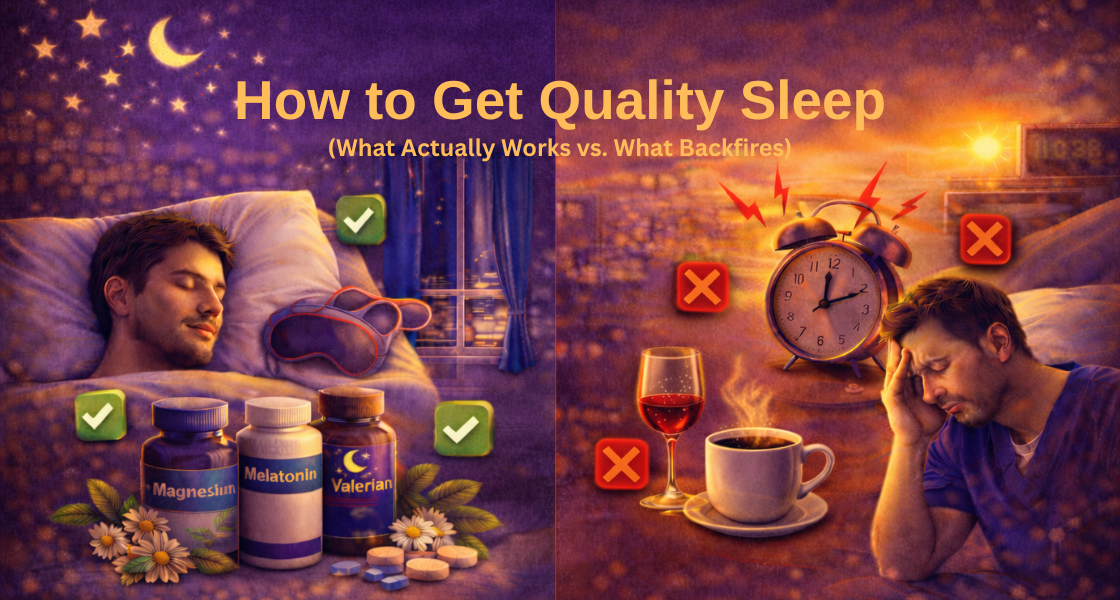
How to Get Quality Sleep (What Actually Works vs. What Backfires)

Getting more sleep doesn’t always mean better sleep. This guide breaks down what actually improves sleep quality — and which common habits quietly make sleep worse. Most people think quality sleep just means “getting more hours.” This assumption is incorrect. It is possible to sleep 8 hours and remain fatigued, or sleep 6.5 hours and…
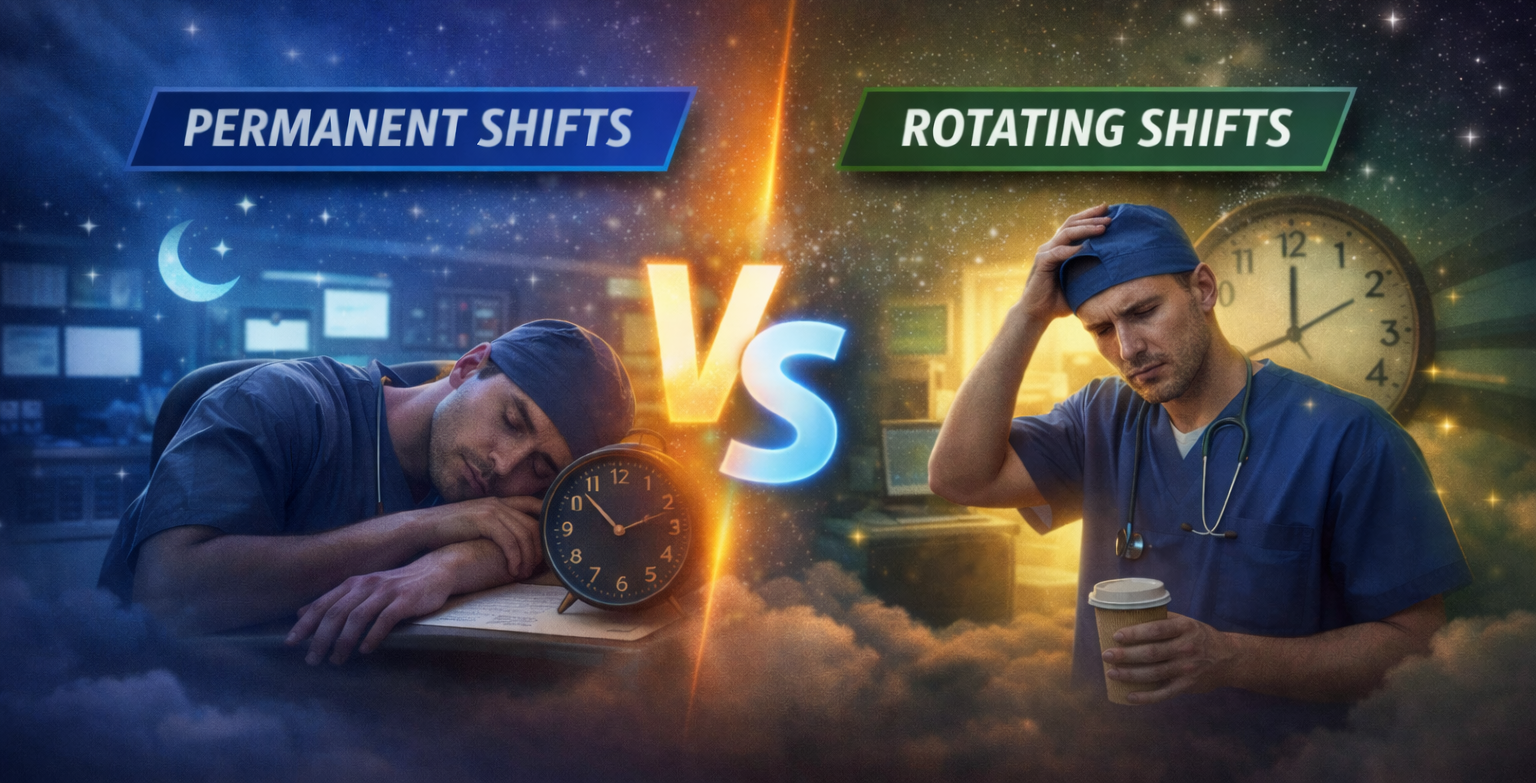
Best Sleep Schedule for Night Shift Workers (Permanent vs Rotating Shifts)

Introduction: Why Sleep Schedules Matter More Than Sleep Tips For night shift workers, sleep problems are rarely about motivation or discipline. They’re about timing. Perfect sleep habits can’t compensate for a sleep schedule that clashes with your circadian rhythm. This is why night shift workers commonly ask: “What’s the best sleep schedule for night shift…
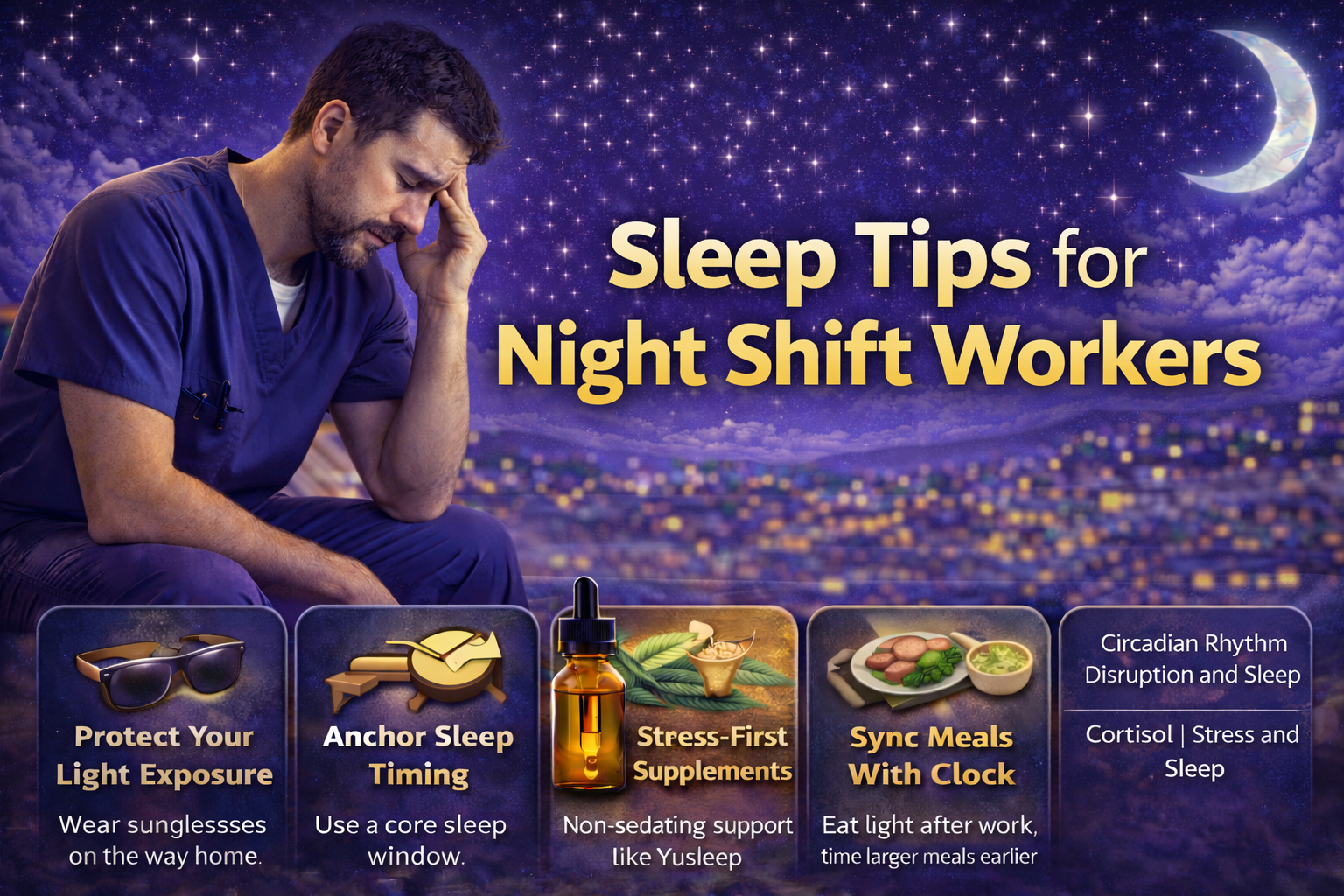
Sleep Tips for Night Shift Workers: How to Finally Rest on an Unnatural Schedule

Why Night Shift Sleep Is So Hard (And Not Your Fault) If you work nights and find daytime sleep difficult, remember—your struggle is due to biology, not personal failure. Night shift work forces your body to stay awake when it’s programmed to sleep and sleep when it’s programmed to be alert. That creates a state…
Why Sleep Aids Stop Working And What Actually Fixes Chronic Insomnia
Sleep aids often work at first — and then suddenly don’t. If you’ve ever thought, “This used to knock me out… why am I awake again?” you’re not imagining it.This is one of the most common patterns in chronic insomnia. The reason sleep aids stop working isn’t willpower or tolerance alone — it’s that they…
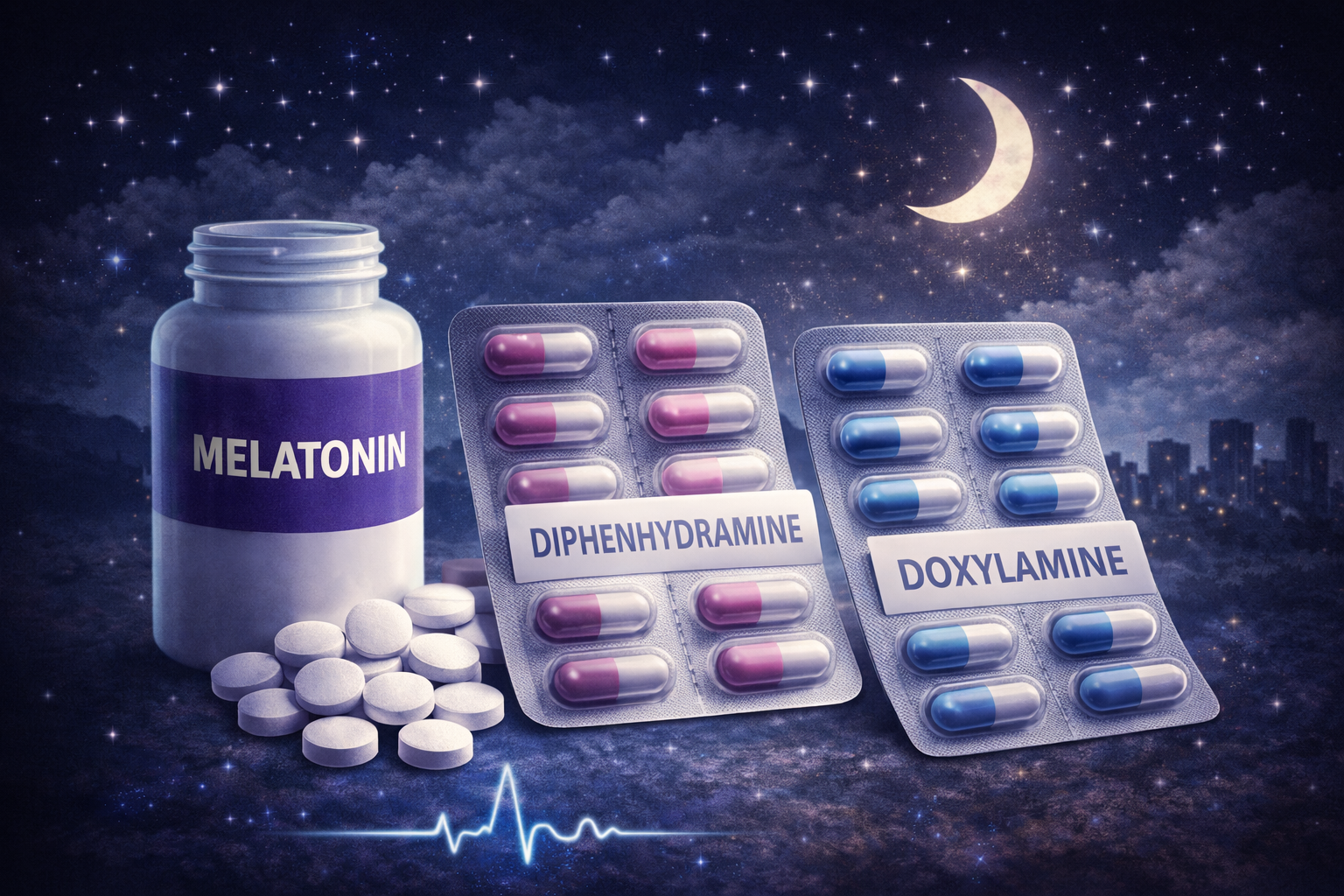
Melatonin vs. Diphenhydramine vs. Doxylamine: Which OTC Sleep Aid Is Strongest?
If you’ve struggled with chronic insomnia, you’ve probably stood in the sleep-aid aisle wondering which option really works. Melatonin claims natural support. Diphenhydramine often knocks you out. Doxylamine is considered stronger, though it has drawbacks. For those juggling tasks at unpredictable hours, frequent flyers battling jet lag, or anyone in the midlife of 45–65 trying…
Comparing sleep aids with science-backed evidence: A powerful guide to what truly works for insomnia

Introduction: Why sleep aids need scientific scrutiny Insomnia and sleep issues are widespread, affecting memory, mood, health, and productivity. The booming sleep aid market offers supplements, teas, drugs, and devices—all promising better rest. However, many sleep aids lack strong scientific support. Some products help with specific sleep problems. Others show only mild, short-term benefits or…
Treat Insomnia for Beginners Everything You Need to Know

Insomnia doesn’t usually start with a broken ability to sleep. It starts with a few bad nights — and the moment you begin worrying about them. You’re exhausted, your body clearly wants rest, but the second your head hits the pillow your mind switches on. You start watching the clock. You calculate how many hours…
Staying Healthy on Night Shifts: Proven Tips for Shift Workers

Imagine it’s 3 a.m.; the hospital is quiet except for the nurse monitoring a patient’s vitals. Night shifts disrupt your body’s rhythms. Many adapt with good sleep and nutrition. Consistent routines lower risks, though everyone reacts differently. Using light, exercise, and support helps health. Some may need professional advice. If you would like to learn…