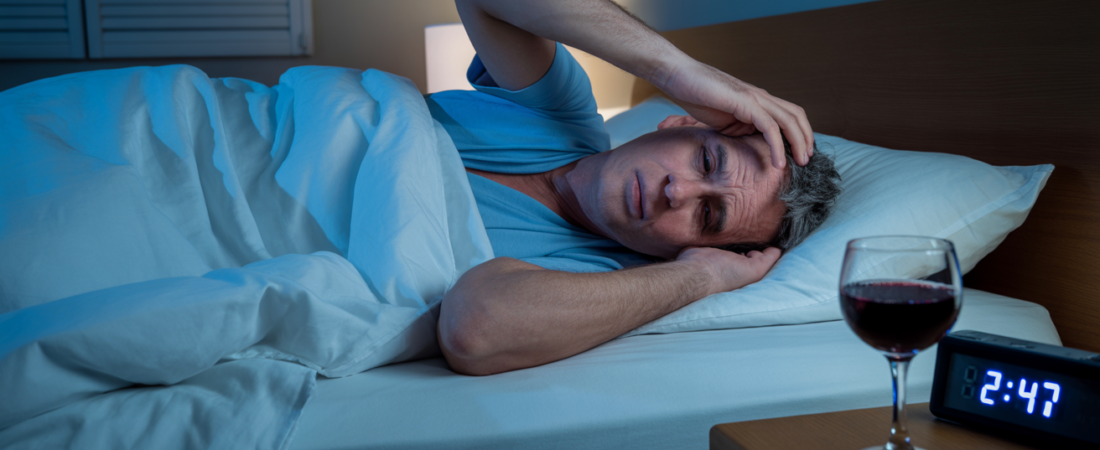
Did you know that a significant portion of adults in the United States report insufficient sleep? According to the Centers for Disease Control and Prevention (CDC), more than one-third of American adults do not get enough sleep on a regular basis.
While many factors can contribute to sleep deprivation, one common evil culprit that many people overlook is alcohol. Often perceived as a relaxation aid, alcohol’s effect on sleep is far more complex and, in many cases, detrimental.
This article will delve into the intricate ways alcohol interferes with your natural sleep patterns, exploring the science behind its disruptive effects, the consequences of alcohol-induced poor sleep, and strategies to achieve truly restorative rest.
The Deceptive Allure of Alcohol for Sleep
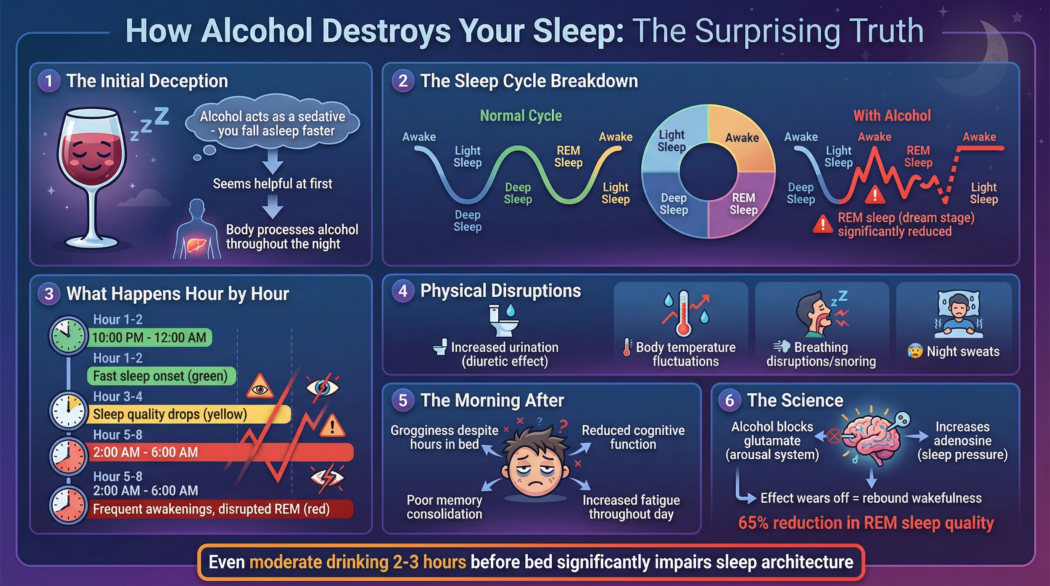
Many individuals reach for a drink to unwind after a stressful day, hoping to drift off to sleep more easily. Alcohol is a central nervous system depressant, meaning it can initially induce feelings of relaxation and drowsiness.
This effect is due to its interaction with gamma-aminobutyric acid (GABA), a neurotransmitter that inhibits brain activity. By enhancing GABA’s effects, alcohol can slow down neural activity, leading to that initial sense of calm and sleepiness.
However, this initial sedative effect is short-lived and masks a much more disruptive process that unfolds as the night progresses. The body metabolizes alcohol, and as its levels decrease, the initial sedative effects wear off, leading to a rebound effect that can significantly disrupt sleep.
The Science Behind Alcohol’s Sleep Disruption
Alcohol’s impact on sleep isn’t a simple case of “it makes you sleepy, so it helps you sleep.” The reality is far more nuanced and involves multiple stages of the sleep cycle.
Sleep Stages and Alcohol’s Interference
Sleep is not a monolithic state; it cycles through distinct stages, each with unique brainwave patterns and physiological functions. The two primary types of sleep are Non-Rapid Eye Movement (NREM) and Rapid Eye Movement (REM).
- NREM Sleep: This is further divided into three stages (N1, N2, and N3). N1 is the lightest stage of sleep, while N3 (deep sleep or slow-wave sleep) is crucial for physical restoration, growth hormone release, and memory consolidation. Alcohol initially increases deep sleep in the early part of the night.
- REM Sleep: This stage is characterized by rapid eye movements, vivid dreaming, and muscle atonia (temporary paralysis). REM sleep is vital for cognitive functions, emotional regulation, learning, and memory processing.
Alcohol’s primary disruption occurs in the second half of the night. While it might promote deeper NREM sleep early on, it significantly suppresses REM sleep. As the alcohol is metabolized and leaves your system, your body attempts to “catch up” on REM sleep, leading to more intense and fragmented REM periods, often accompanied by awakenings.
The Rebound Effect and Sleep Fragmentation
As mentioned, the initial sedative effect of alcohol is temporary. Once the body begins to break down alcohol (which typically happens at a rate of about one standard drink per hour), its concentration in the bloodstream decreases. This decrease triggers a rebound effect, where the brain becomes more aroused, leading to:
- Increased awakenings: You’re more likely to wake up during the night, often feeling restless or anxious.
- Shorter sleep duration: Even if you don’t fully wake up, the frequent awakenings prevent you from reaching sustained periods of restful sleep.
- Reduced sleep quality: The sleep you do get is less restorative because it’s constantly interrupted and unbalanced in terms of sleep stages.
Impact on Breathing and Snoring
Alcohol is a muscle relaxant. While this contributes to the initial feeling of relaxation, it also affects the muscles in your throat and airway. This relaxation can cause the tissues in your airway to collapse more easily during sleep, leading to:
- Increased snoring: Even if you don’t typically snore, alcohol can make you more prone to it.
- Worsening of sleep apnea: For individuals with Obstructive Sleep Apnea (OSA), a condition where breathing repeatedly stops and starts during sleep, alcohol can be particularly dangerous. It relaxes the airway muscles, leading to more frequent and severe apneas. This can lead to dangerously low oxygen levels and significant strain on the cardiovascular system. The National Sleep Foundation highlights that alcohol consumption is a known trigger for sleep apnea exacerbation. [1]
Dehydration and Discomfort
Alcohol is a diuretic, meaning it increases urine production. This can lead to dehydration, which can cause discomfort like dry mouth, headaches, and leg cramps – all of which can wake you up during the night or make it harder to fall back asleep.
Consequences of Alcohol-Induced Poor Sleep
Consistently experiencing poor sleep due to alcohol consumption can have a wide range of negative consequences, affecting both your physical and mental well-being.
Daytime Fatigue and Reduced Cognitive Function
When your sleep is fragmented and lacks sufficient REM and deep sleep, you will inevitably feel the effects during the day. This can manifest as:
- Excessive daytime sleepiness: Feeling drowsy and struggling to stay awake, especially during monotonous activities.
- Impaired concentration and focus: Difficulty paying attention, completing tasks, and making decisions.
- Memory problems: Trouble recalling information and learning new things.
- Reduced problem-solving skills: Difficulty thinking critically and finding solutions.
- Slower reaction times: This can be particularly dangerous when driving or operating machinery.
A study published in the Journal of Clinical Sleep Medicine found that alcohol consumption, even in moderate amounts, negatively impacts sleep quality and daytime alertness. [2]
Alcohol Knocks You Out — But It Doesn’t Let You Rest
Alcohol may help you fall asleep faster, but it blocks deep, restorative sleep and causes frequent nighttime awakenings.
If you’re cutting back on alcohol and struggling to sleep, CBN gummies are often used as a gentler nighttime alternative. They help promote relaxation and deeper rest without the rebound wake-ups alcohol causes.
Many readers report calmer nights and improved sleep consistency when they switch.
👉 Support Deeper Sleep Without Alcohol Using CBN Gummies
Mood Disturbances and Mental Health
Sleep and mental health are intricately linked. Poor sleep, especially sleep disrupted by alcohol, can exacerbate or trigger various mood issues:
- Increased irritability and mood swings: You might find yourself easily annoyed or experiencing rapid mood shifts.
- Heightened anxiety: Alcohol can initially reduce anxiety, but the rebound effect and poor sleep can lead to increased feelings of worry and nervousness.
- Symptoms of depression: Chronic sleep deprivation is a known risk factor for developing or worsening depressive symptoms.
Alcohol itself is a depressant, and its combined effect with sleep deprivation can create a vicious cycle, making it harder to manage mental health conditions.
Weakened Immune System
Sleep plays a critical role in immune function. During sleep, your body produces and releases cytokines, proteins that help fight inflammation and infection. Chronic sleep deprivation, whether from alcohol or other causes, can impair your immune system’s ability to function effectively, making you more susceptible to illnesses.
Research published in the Sleep journal indicates that insufficient sleep can lead to a diminished immune response and increased susceptibility to the common cold. [3]
Long-Term Health Risks
Beyond the immediate effects, chronic alcohol-induced sleep disruption can contribute to more serious long-term health problems, including:
- Cardiovascular issues: Increased risk of high blood pressure, heart disease, and stroke.
- Metabolic disorders: Disruption of hormones that regulate appetite and metabolism can contribute to weight gain and increase the risk of type 2 diabetes.
- Cognitive decline: Long-term sleep deprivation is associated with an increased risk of neurodegenerative diseases.
How Much Alcohol is Too Much for Sleep?
It’s important to understand that any amount of alcohol consumed close to bedtime can negatively impact sleep quality. While individual tolerance varies, there is no “safe” amount of alcohol that guarantees undisturbed sleep.
Even a single drink can alter sleep architecture, reducing REM sleep and increasing awakenings. The more you drink, and the closer you drink it to bedtime, the more pronounced these negative effects will be. Factors like body weight, metabolism, gender, and whether you’ve eaten can influence how alcohol affects you, but the disruptive impact on sleep remains.
Strategies for Better Sleep (Without Alcohol)
If you’re using alcohol as a sleep aid, it’s crucial to find healthier alternatives. Prioritizing good sleep hygiene is key to achieving restorative rest.
Establish a Consistent Sleep Schedule
Going to bed and waking up around the same time every day, even on weekends, helps regulate your body’s internal clock (circadian rhythm). This consistency signals to your brain when it’s time to be awake and when it’s time to sleep.
Create a Relaxing Bedtime Routine
Wind down for an hour or two before bed with calming activities. This could include:
- Reading a book (physical book, not on a backlit screen)
- Taking a warm bath
- Gentle stretching or yoga
- Listening to calming music or a podcast
- Meditation or deep breathing exercises
Avoid stimulating activities like intense exercise, stressful conversations, or work right before bed.
Optimize Your Sleep Environment
Your bedroom should be a sanctuary for sleep. Ensure it is:
- Dark: Use blackout curtains if necessary.
- Quiet: Use earplugs or a white noise machine if needed.
- Cool: A slightly cooler room temperature (around 60-67°F or 15-19°C) is generally optimal for sleep.
- Comfortable: Invest in a supportive mattress and pillows.
Consider a all natural sleep supplement review like the YuSleep Review for Better Sleep to ensure your sleeping surface isn’t contributing to discomfort.
Limit Caffeine and Nicotine
These stimulants can remain in your system for many hours, interfering with your ability to fall asleep. Avoid them, especially in the afternoon and evening.
Be Mindful of Food and Drink
While avoiding alcohol close to bedtime is crucial, also be mindful of large meals or excessive fluids before sleep, which can cause discomfort or lead to nighttime awakenings.
Regular Exercise (But Not Too Close to Bedtime)
Physical activity can significantly improve sleep quality. However, avoid vigorous exercise within a few hours of bedtime, as it can be stimulating.
Seek Professional Help
If you consistently struggle with sleep despite implementing good sleep hygiene practices, it’s essential to consult a healthcare professional. They can help identify underlying sleep disorders or other medical conditions that may be affecting your sleep.
The Bottom Line: Prioritize Restful Sleep
While alcohol might offer a fleeting sense of relaxation, its impact on sleep is undeniably negative. It disrupts crucial sleep stages, fragments your night, and robs you of the restorative benefits of deep and REM sleep. The short-term “benefit” of falling asleep faster is far outweighed by the long-term consequences of poor sleep quality, including daytime fatigue, impaired cognitive function, mood disturbances, and increased health risks.
Making conscious choices to limit or eliminate alcohol, especially before bed, and prioritizing consistent, high-quality sleep hygiene are vital steps towards improving your overall health and well-being. True rest is not just about the quantity of sleep, but its quality – something alcohol actively undermines. For more information on improving sleep, consider resources from the American Academy of Sleep Medicine [4] and the Sleep Foundation [5].
Frequently Asked Questions (FAQs)
FAQ 1: Can a glass of wine before bed really ruin my sleep?
A single glass of wine, or any alcoholic beverage, consumed close to bedtime can indeed negatively affect your sleep. While it might make you feel sleepy initially, it disrupts your sleep architecture, particularly reducing REM sleep and increasing awakenings in the second half of the night. Your sleep quality will likely be compromised.
FAQ 2: How long does it take for alcohol to stop affecting my sleep?
Alcohol’s effects on sleep can linger for several hours. Since the body metabolizes alcohol at a rate of about one standard drink per hour, if you drink close to bedtime, alcohol will still be in your system during the latter half of your sleep, causing disruptions. For optimal sleep, it’s generally recommended to avoid alcohol for at least 3-4 hours before going to bed.
FAQ 3: Does drinking alcohol affect different sleep stages differently?
Yes, it does. Alcohol initially increases deep sleep (NREM stage 3) in the first half of the night. However, it significantly suppresses REM sleep throughout the entire night. As alcohol leaves your system, there’s a rebound effect, leading to more fragmented REM sleep and more awakenings, particularly in the second half of the night.
FAQ 4: What are the signs that alcohol is ruining my sleep?
Common signs include difficulty staying asleep, frequent nighttime waking, feeling unrested or groggy in the morning, vivid or disturbing dreams (often due to REM rebound), increased snoring, and daytime sleepiness or fatigue.
FAQ 5: Is it better to have a nightcap or avoid alcohol altogether if I want good sleep?
It is always better to avoid alcohol altogether if your primary goal is good, restorative sleep. While a nightcap might seem to help you fall asleep faster, the subsequent disruption to sleep quality and architecture is significant. Opting for non-alcoholic relaxation techniques is a far healthier and more effective approach to achieving restful sleep.
FAQ 6: Can alcohol cause long-term sleep problems even after I stop drinking?
While stopping alcohol consumption will improve sleep quality over time, some individuals may experience lingering sleep disturbances as their body readjusts. This is especially true for those who have a history of heavy or chronic alcohol use, which can lead to more persistent disruptions in sleep patterns and neurotransmitter function. However, with time and continued good sleep hygiene, most people will see significant improvement.
Your Sleep Can Recover — If You Give It the Right Support
The good news? Alcohol-related sleep damage isn’t permanent.
Once alcohol leaves your system, your brain can return to healthy sleep patterns — but the transition can be uncomfortable.
That’s why many people use CBN gummies during this reset phase to relax faster, reduce nighttime restlessness, and ease back into natural sleep.
If you’re serious about repairing your sleep after alcohol, this is a smart next step.
👉 Restore Natural Sleep With CBN Gummies
Citations:
[1] National Sleep Foundation. (n.d.). Alcohol and Sleep. Retrieved from https://www.thensf.org/
[2] Stein, M. D., & Friedmann, P. D. (2005). The relationship between alcohol use and sleep disturbance. Journal of Clinical Sleep Medicine, 1(2), 104-111.
[3] Prather, A. A., Janicki-Dorns, L. A., Hall, M., & Cohen, S. (2015). Behaviorally assessed sleep and susceptibility to the common cold. Sleep, 38(9), 1353-1359. https://doi.org/10.5665/sleep.4958
[4] American Academy of Sleep Medicine. (n.d.). Sleep Education. Retrieved from https://aasm.org/
[5] Sleep Foundation. (n.d.). Sleep Resources. Retrieved from https://www.sleepfoundation.org/