Latest posts
What GetMoreSleep.net Is

If sleep advice has failed you, it’s usually not because you “aren’t trying hard enough.” It’s because most sleep content ignores the real drivers of poor sleep — hormones, nervous system overload, circadian disruption, and tolerance to common sleep aids. That’s why I built GetMoreSleep.net. GetMoreSleep.net is a science-backed sleep education platform for people who:•
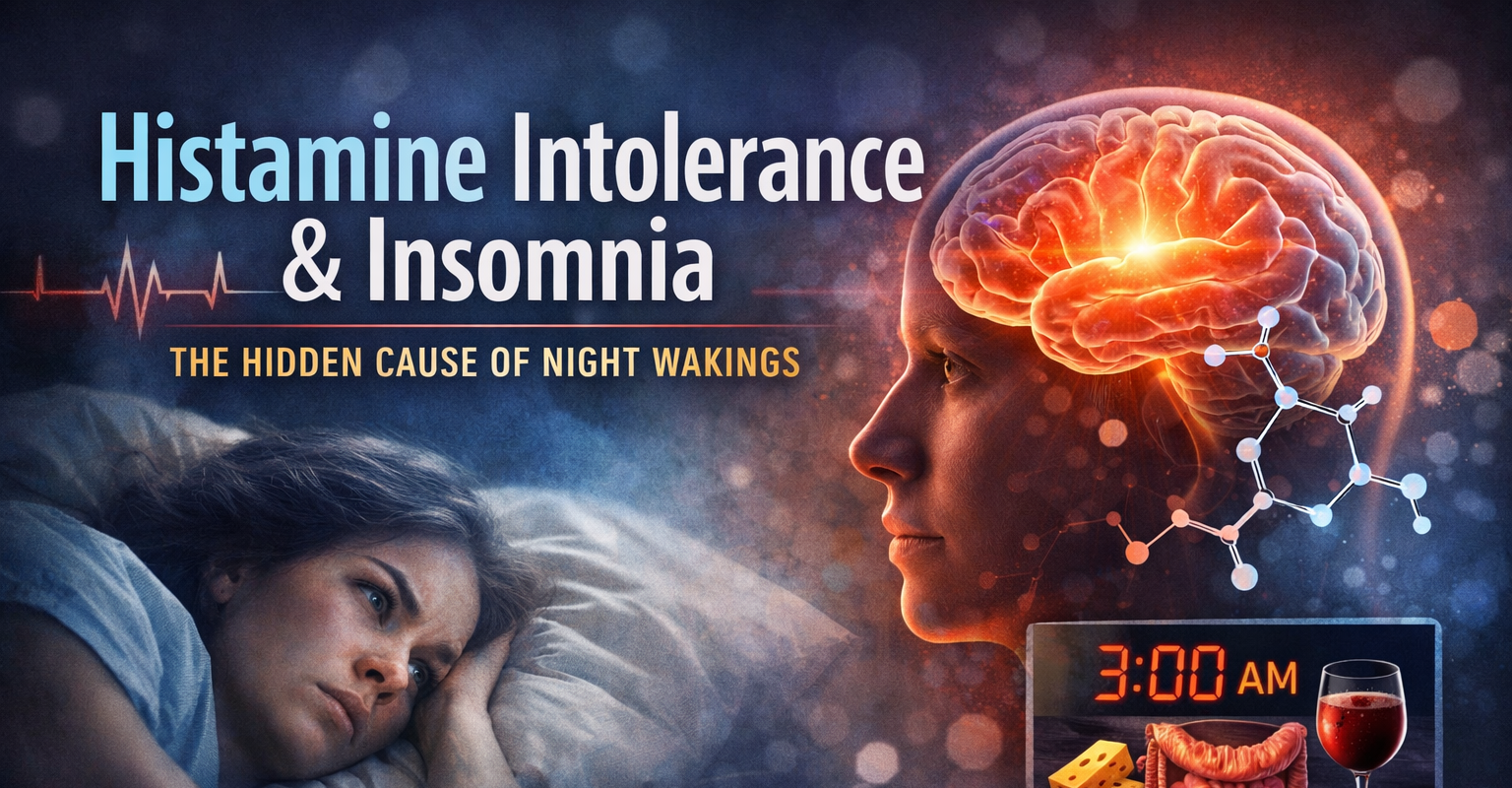
Histamine Intolerance and Insomnia: The Overlooked Cause of Night Wakings

If you fall asleep easily but wake up suddenly in the middle of the night — pounding heart, mind alert, body tense — histamine may be the missing piece. Many chronic sleepers blame night wakings on stress, anxiety, or blood sugar. While those variables might influence, histamine intolerance is an often-missed biological trigger. Histamine is
2026’s Most Innovative Natural Sleep Solutions: What’s New This Year

Introduction Every year, the sleep industry promises something new — smarter supplements, better formulas, faster results. But as we head into 2026, one thing has become increasingly clear: stronger doesn’t mean better, and innovation isn’t about adding more ingredients. It’s about understanding why sleep breaks down in the first place — and addressing those systems
5 Ways to Get More REM Sleep (And Wake Up Mentally Refreshed)
Why REM Sleep Matters More Than You Think If you wake up feeling mentally foggy, emotionally sensitive, or unfocused — even after a full night in bed — you may not be getting enough REM sleep. REM (Rapid Eye Movement) sleep is the stage most closely linked to: While deep sleep restores the body, REM
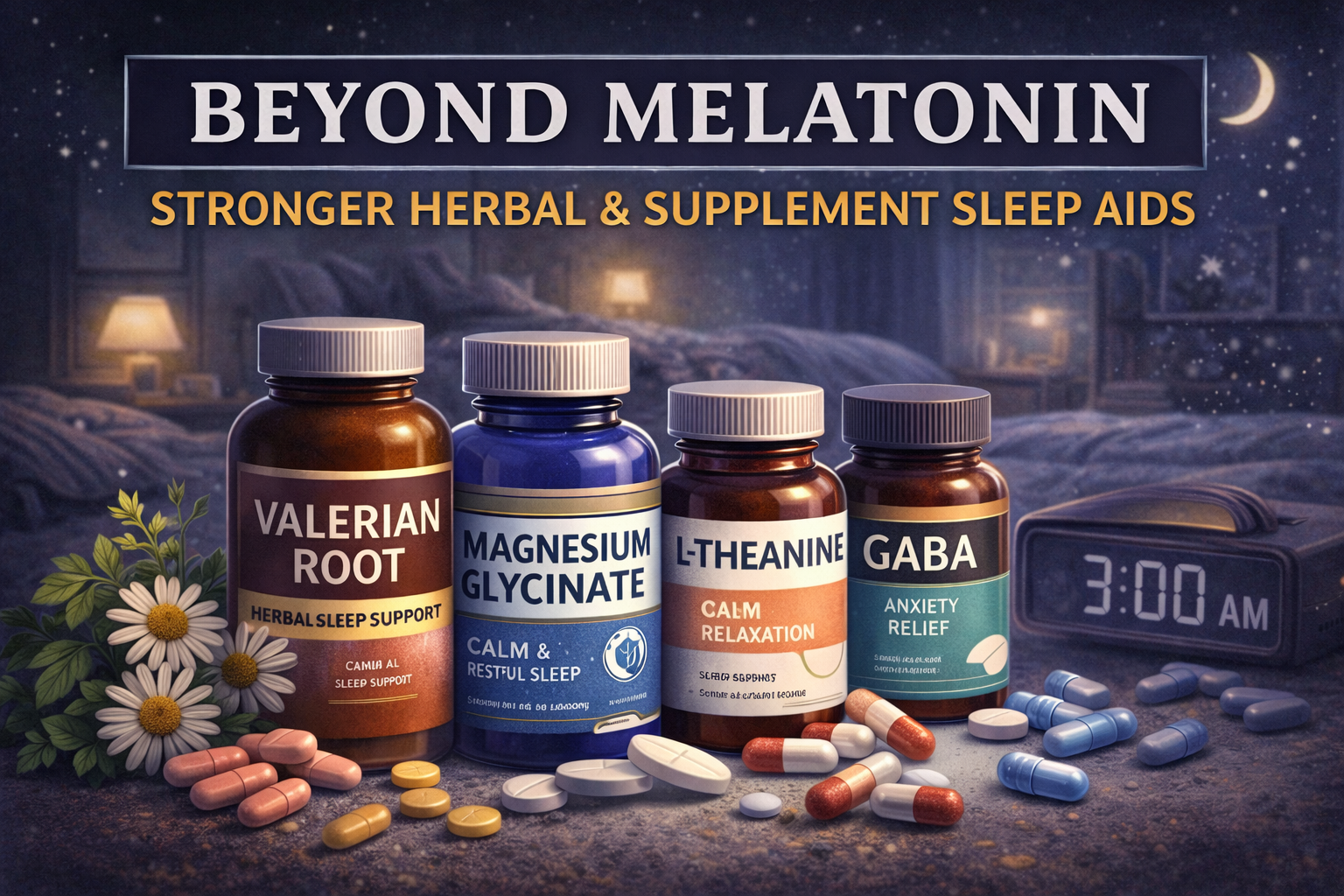
Beyond Melatonin: Stronger Herbal and Supplement-Based Sleep Aids
For many people, melatonin is the first supplement they try for sleep. And for some, it works—at least initially. But for others, melatonin stops helping, causes grogginess, or doesn’t address deeper problems like anxiety or interrupted sleep. That’s when people look for stronger, non-prescription options that avoid antihistamine sedation. To find the right fit, it’s
Best Natural Sleep Aids for Shift Workers and Jet Lag

Sleep problems are common for shift workers, frequent travelers, new parents, and caregivers—but that doesn’t make them easy to live with. Irregular schedules, overnight work, early mornings, and time zone changes can disrupt your circadian rhythm so severely that, even when you have time to sleep, your body refuses to cooperate. Prescription sleep medications may
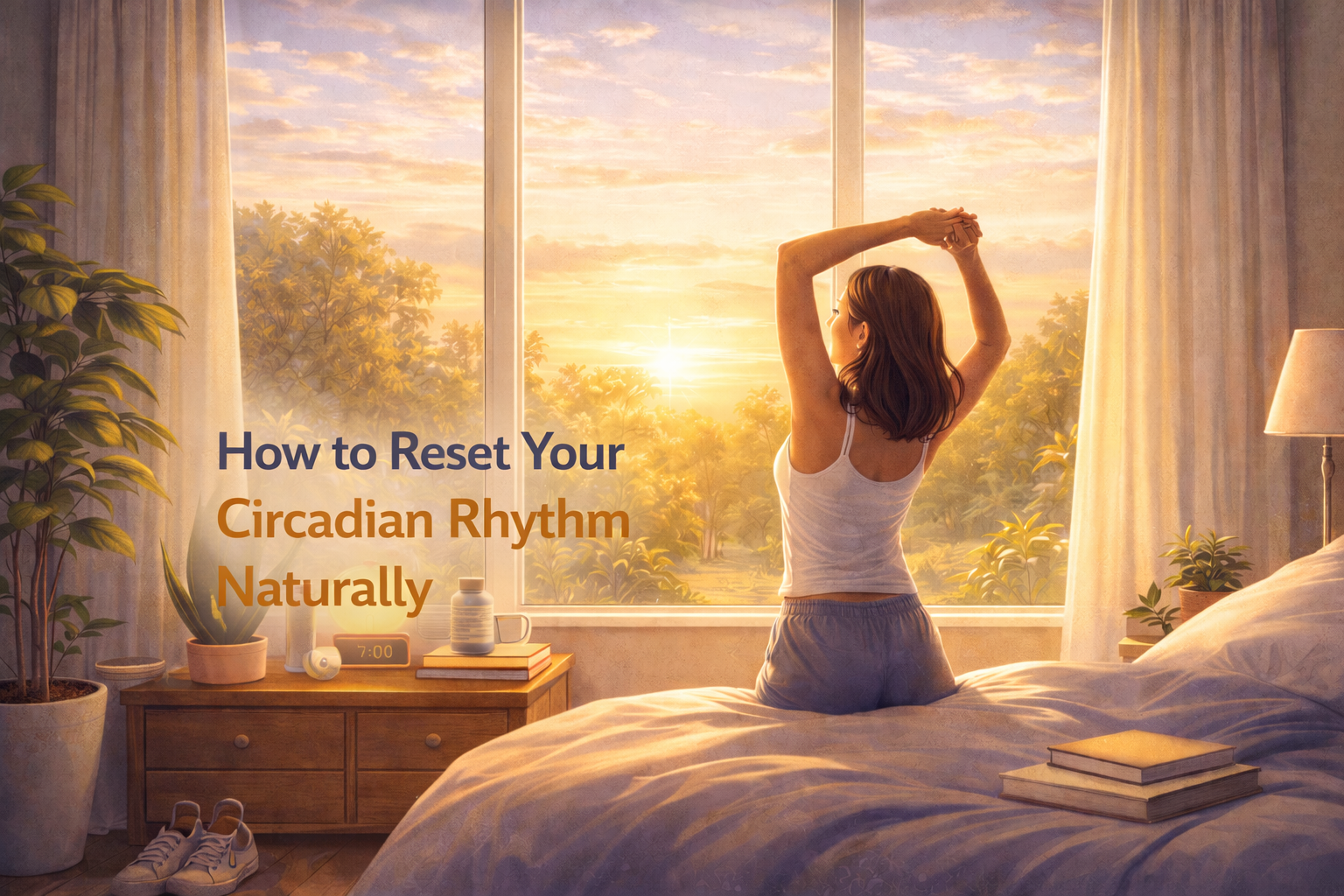
How to Reset Your Circadian Rhythm Naturally (And Finally Sleep Better)
🌙 How to Reset Your Circadian Rhythm Naturally What Is Your Circadian Rhythm — and Why It Matters Your circadian rhythm is your body’s internal clock — a 24-hour cycle that governs when you feel awake, sleepy, hungry, or alert.It’s controlled by your brain’s suprachiasmatic nucleus (SCN) — a small group of neurons in the
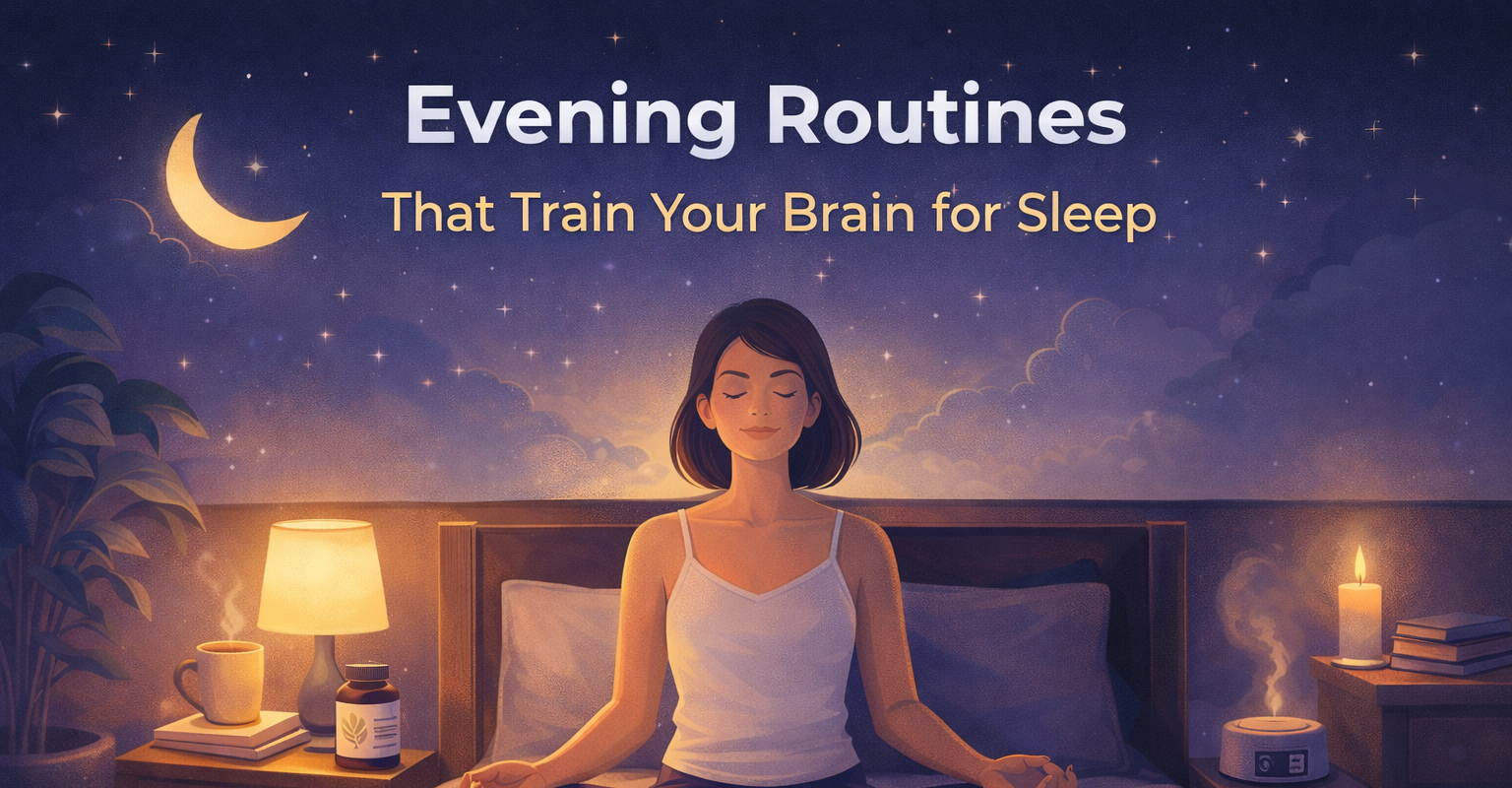
7 Proven Evening Routines That Train Your Brain for Better Sleep Naturally
🌙 Evening Routines That Train Your Brain for Sleep Understanding the Sleep-Training Concept When we think of training, we imagine workouts or learning a skill — but your brain can also be trained to sleep.In fact, sleep isn’t an on/off switch; it’s a biological rhythm shaped by behavior, light, and consistency. If your nights are
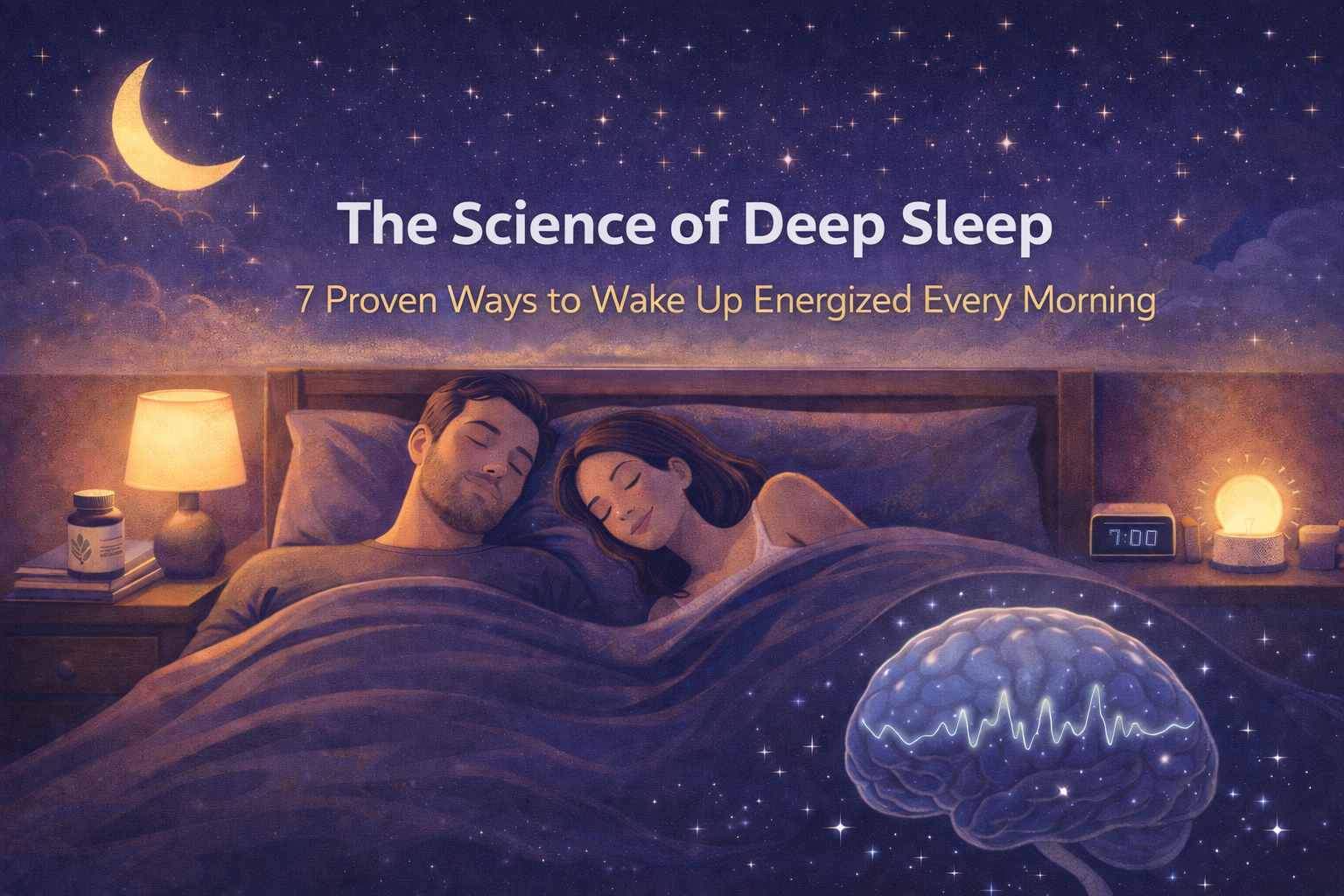
The Science of Deep Sleep: 7 Proven Ways to Wake Up Energized Every Morning
Outline Table H1 The Science of Deep Sleep: How to Wake Up Energized H2 Why Deep Sleep Matters More Than Sleep Quantity H3 The 4 Stages of Sleep — and Why Only One Truly Restores You H3 How Deep Sleep Affects Energy, Mood, and Focus H2 What Happens During Deep Sleep H3 Brain Detox and
Top 10 Natural Sleep Supplements That Actually Work (Brand Examples Included)

Getting consistent, high-quality sleep shouldn’t feel like a guessing game — yet for many adults, it does. Stress, irregular schedules, parenting demands, travel, and sensitivity to medications can all interfere with rest, leaving people stuck in an expensive cycle of trial and error. Prescription sleep medications may work short-term, but concerns about dependency and next-day