Latest posts
Sleep Fragmentation vs Sleep Duration: Why You’re Tired Even After 8 Hours

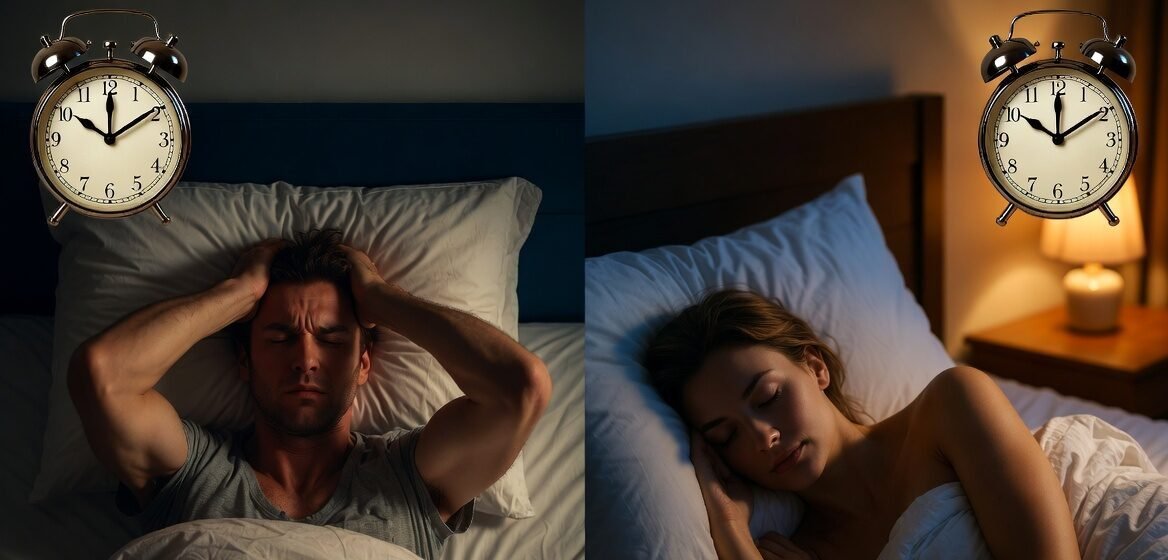
Introduction Many believe enough sleep means more time in bed, yet adults often wake exhausted after seven, eight, or nine hours. They may fall asleep quickly, stay in bed, and still feel foggy and low on energy. This disconnect is often explained by a critical but overlooked concept: sleep fragmentation. Sleep quality is not determined…
Strongest OTC Sleep Aids for Chronic Insomnia: What Really Works?

Chronic insomnia doesn’t just disturb your sleep—it affects your energy, focus, mood, and quality of life. Whether you’re 45–65 years old, working shifts with tough hours, traveling frequently, or struggling with anxious thoughts, sleep challenges can still persist even after trying multiple over-the-counter options. You’re not alone, and effective help is possible. Melatonin at 10…
Cortisol, Stress, and Sleep: How Chronic Stress Hijacks Your Circadian Rhythm

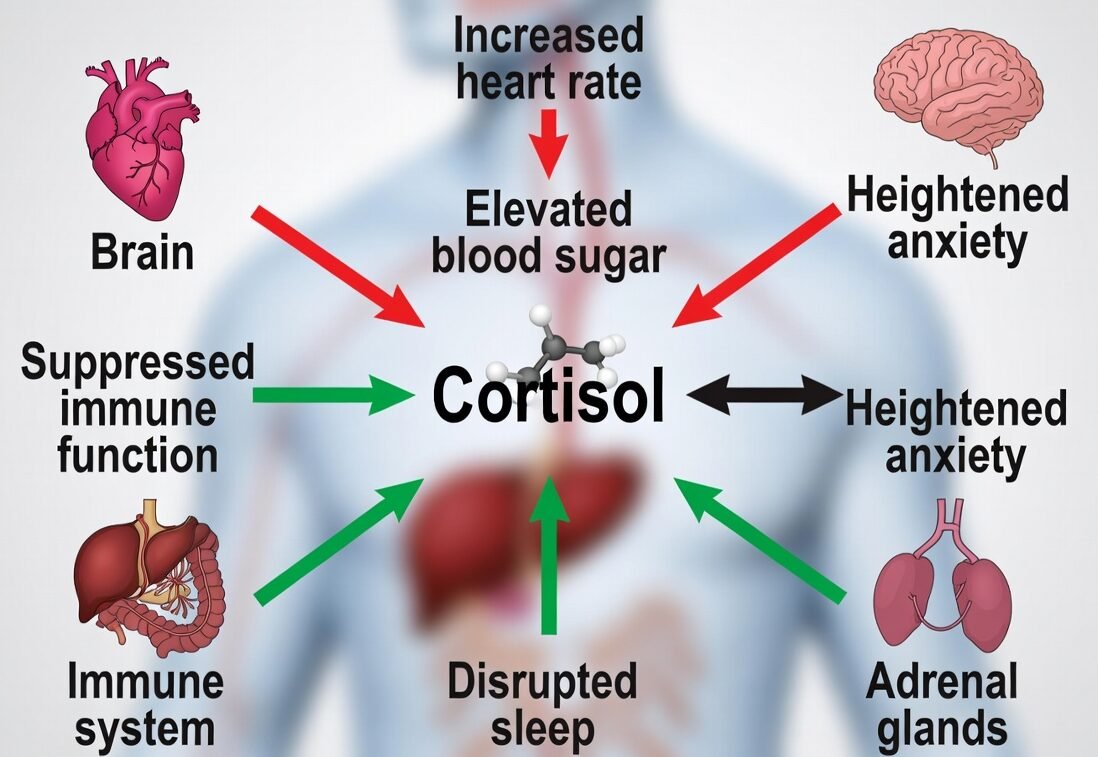
For many people, sleep problems don’t begin in the bedroom — they begin in the stress response system. You may feel physically exhausted but mentally alert. You go to bed on time, avoid screens, and still find yourself awake. Or you fall asleep quickly, then wake at 2 or 3 a.m. with your mind racing…
GABA and Sleep: The Calming Neurotransmitter Most Insomniacs Are Missing
Introduction For millions of people struggling with insomnia, sleep problems are commonly described as a melatonin issue. Yet research increasingly suggests that many cases of persistent insomnia are not caused by low melatonin, but by insufficient GABAergic signaling in the brain. Facilitating the transition to Gamma-aminobutyric acid (GABA) is the brain’s primary inhibitory neurotransmitter. It…
Circadian Rhythm Disruption and Sleep: How Light, Meal Timing, and the Gut Affect Your Biological Clock

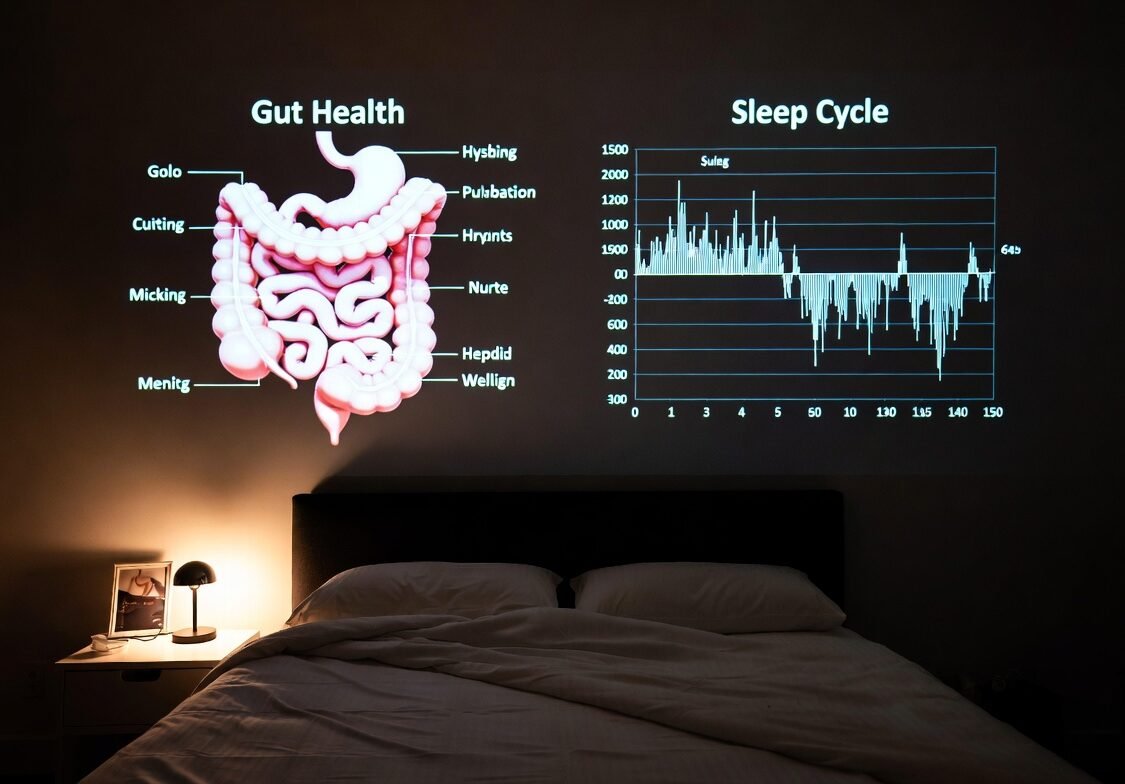
Many sleep problems do not result from a lack of sleep aids but rather from a misaligned biological clock. Common experiences reported by individuals include the following: These patterns are hallmarks of circadian rhythm disruption, a condition increasingly common in modern environments. To understand why sleep becomes inconsistent, fragmented, or unrefreshing, it helps to look…
Why Melatonin Stops Working: Tolerance, Timing, and Gut Health

Melatonin is often described as the body’s “sleep hormone,” and for many people, it’s the first supplement they try when sleep becomes inconsistent. At first, it may seem helpful—falling asleep feels easier, bedtime feels calmer, and nights feel more predictable. But over time, this effect can fade. The same dose no longer works. Falling asleep…
Prebiotics and Sleep: How Diet and Fiber Shape the Gut–Brain Axis
Imagine a nurse named Jane who works night shifts at a busy hospital. For years, Jane struggled with erratic sleep patterns, feeling tired and less resilient to stress. Then, she decided to experiment with her diet, introducing more fiber-rich and prebiotic foods. Over time, Jane noticed a remarkable improvement in her sleep quality and overall…
Best Natural Sleep Aids That Are Non-Habit Forming (Science-Backed Picks)

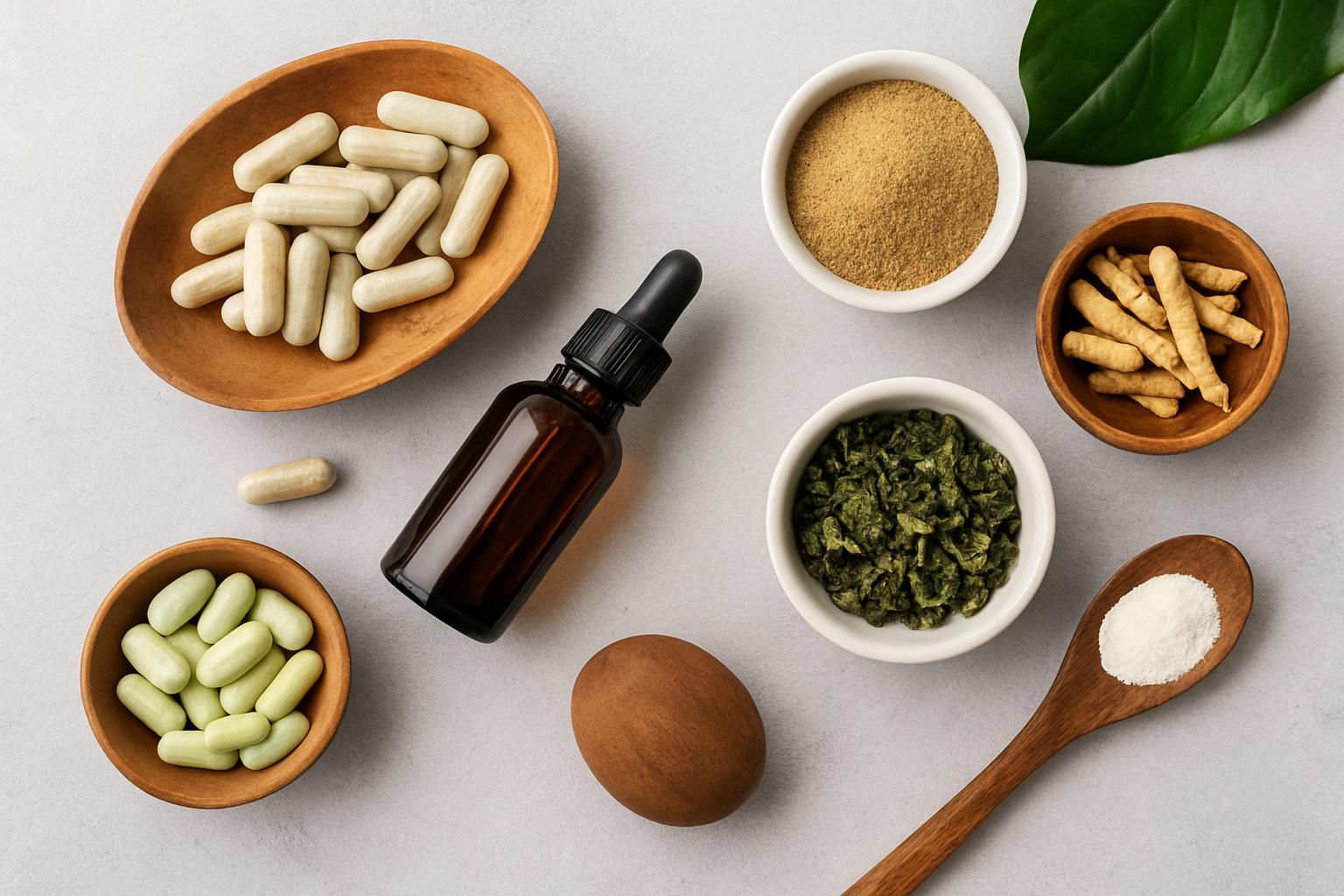
1. Introduction Sleepless nights are now a regular problem for millions of adults, not just a rare annoyance. If you are a new parent up several times a night, a shift worker struggling with your body clock, or someone who wants to avoid prescription sleep drugs, finding a real solution can feel overwhelming. Prescription sleep…
Probiotics for Sleep: Which Strains Are Backed by Science?
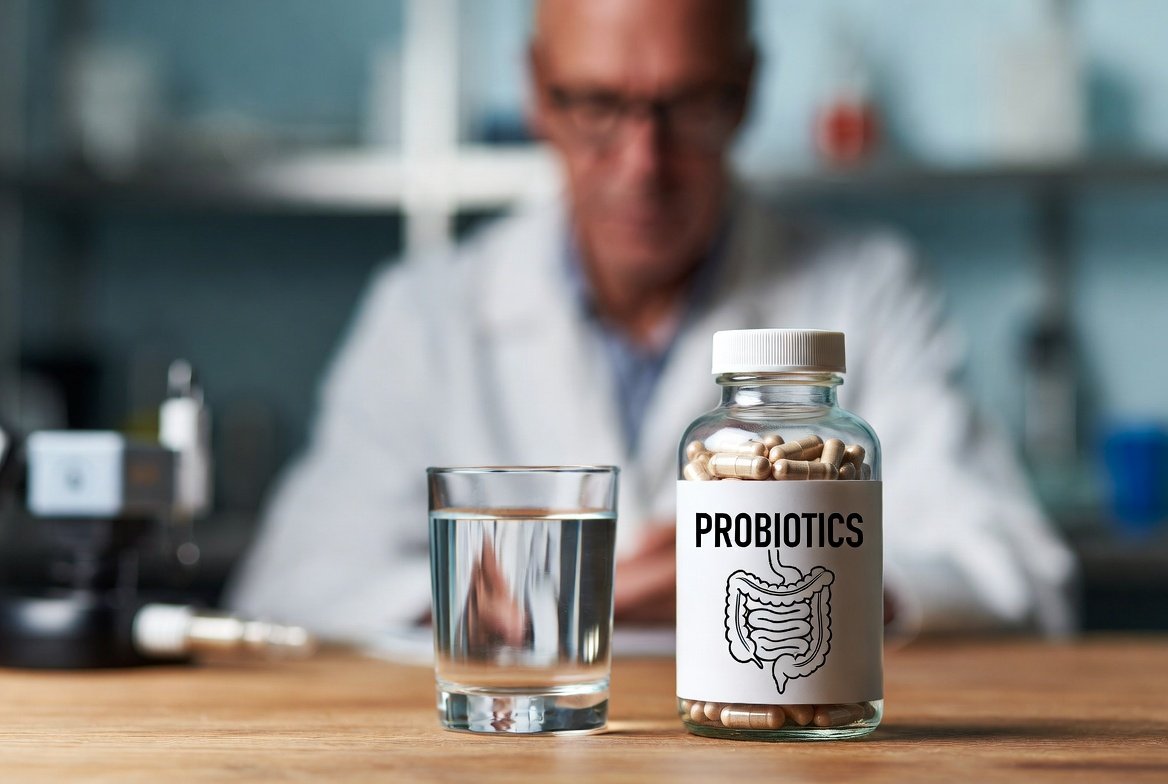
Sleep disturbances affect over one-third of adults, yet reliance on prescription sleep medications is often limited by concerns regarding side effects, tolerance, and dependency. As research on the gut–brain axis advances, the use of probiotics for sleep has emerged as a promising, though frequently misunderstood, area of scientific inquiry. The potential for beneficial bacteria to…
Complete Guide to Casper Mattress Products and Services

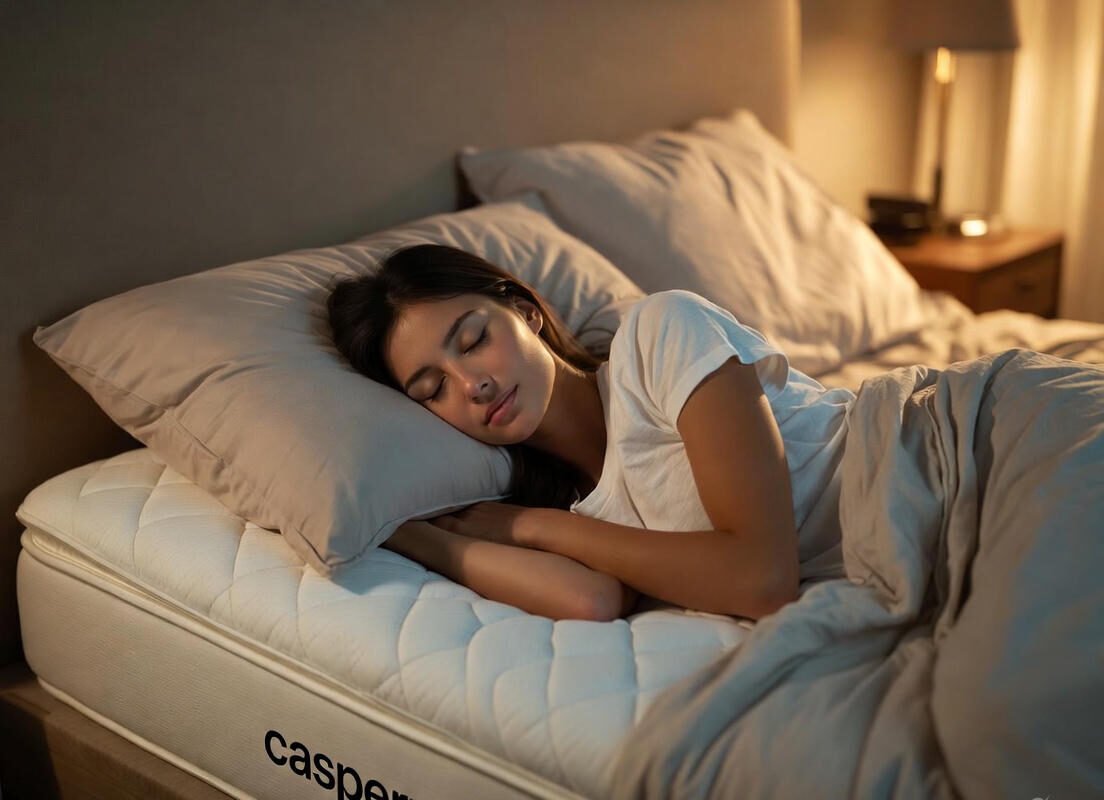
The Ultimate Guide to Choosing Your Perfect Casper Mattress Three years ago, I plunged into the chaotic world of mattress shopping, eager to escape from a lumpy, sagging spring mattress that was aggravating my unforgiving lower back pain. The real turning point came when I realized that choosing the right mattress required understanding exactly what…