Did you know that a staggering 70 million Americans suffer from chronic sleep problems? ^1^ In our fast-paced world, achieving restful sleep can feel like an elusive dream. Fortunately, a growing trend offers a solution: sleep retreats.
These specialized getaways are designed to help you disconnect, de-stress, and cultivate healthier sleep habits. But where should you go to find the ultimate slumber sanctuary? This comprehensive guide explores the best destinations for sleep retreats, offering insights into what makes them ideal and the types of experiences you can expect.
Understanding the Rise of Sleep Retreats
Before diving into destinations, it’s crucial to understand why sleep retreats are gaining popularity. The modern lifestyle, characterized by constant connectivity, demanding work schedules, and pervasive exposure to blue light, has significantly affected sleep quality. The Centers for Disease Control and Prevention (CDC) has even declared insufficient sleep a public health epidemic. ^2^
Sleep retreats offer a holistic approach to improving sleep. They go beyond simply providing a quiet room. Instead, they often incorporate a range of therapeutic practices, including:
- Mindfulness and Meditation: Techniques to calm the mind and reduce anxiety, a common sleep disruptor.
- Yoga and Gentle Movement: Practices that release physical tension and prepare the body for rest.
- Nutritional Guidance: Education on how diet impacts sleep and personalized meal plans.
- Sleep Hygiene Education: Workshops on creating optimal sleep environments and routines.
- Digital Detox: Encouraging participants to disconnect from electronic devices.
- Therapeutic Treatments: Such as massage, aromatherapy, and hydrotherapy.
- Nature Immersion: Spending time in serene natural settings to promote relaxation.
These elements combine to create an immersive experience focused on restoring the body’s natural sleep-wake cycle. As we look towards the future, the importance of sleep and well-being is only set to increase, with experts predicting a surge in sleep-focused wellness trends. ^3^
Key Factors in Choosing Your Sleep Retreat Destination
When selecting the perfect sleep retreat, several factors come into play. The ideal destination will depend on your personal preferences, budget, and specific sleep concerns. Consider these elements:
1. Environment and Atmosphere
- Natural Beauty: Is being surrounded by mountains, forests, beaches, or deserts important to you? Nature has a profound calming effect, and many retreats leverage this.
- Climate: Do you prefer warm, sunny weather or a cooler, crisp environment?
- Seclusion vs. Accessibility: Do you want to be completely off the grid, or do you need a location that’s relatively easy to reach?
- Noise Levels: The absence of urban noise pollution is paramount.
2. Types of Activities and Therapies Offered
- Holistic vs. Specialized: Are you looking for a general wellness retreat focused on sleep, or a highly specialized program targeting specific sleep disorders, such as insomnia?
- Therapeutic Modalities: What specific practices resonate with you? Meditation, yoga, breathwork, sound healing, or more traditional spa treatments?
- Educational Component: How important is it for you to learn practical skills to take home?
3. Accommodation and Amenities
- Comfort and Luxury: What level of comfort are you seeking? From rustic cabins to five-star suites, the accommodation plays a role in relaxation.
- Technology Policies: Some retreats enforce strict digital detox rules, which can be beneficial but might not suit everyone.
- Food Philosophy: Are you looking for plant-based, organic, or gourmet meals? Nutrition is a key component of sleep health.
4. Cost and Duration
- Budget: Sleep retreats can range from moderately priced weekend getaways to week-long luxury experiences.
- Time Commitment: How much time can you dedicate to a retreat? Shorter breaks can be effective, while longer stays allow for deeper immersion.
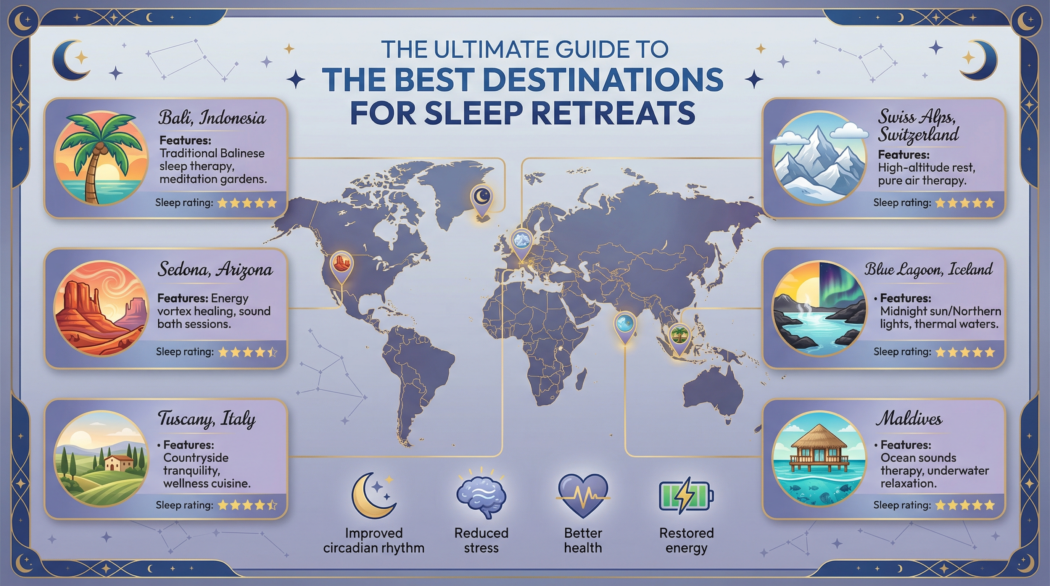
Top Destinations for Sleep Retreats
Based on these factors, let’s explore some of the best destinations worldwide that offer exceptional sleep retreat experiences.
1. Sedona, Arizona, USA: The Spiritual and Serene Sanctuary
Sedona is renowned for its breathtaking red rock formations, vibrant energy vortexes, and a palpable sense of peace. Its arid climate and clear, dark skies make it an ideal location for stargazing, a surprisingly beneficial activity for regulating the circadian rhythm.
Why Sedona is Great for Sleep Retreats:
- Tranquil Environment: The vast, open landscapes and minimal light pollution create an inherently calming atmosphere.
- Energy Vortexes: Many believe these sites possess unique energies that promote healing and relaxation, aiding in deep rest.
- Wellness Focus: Sedona has a long-established reputation as a hub for spiritual and holistic wellness, with numerous spas and retreat centers offering sleep-focused programs.
- Outdoor Activities: Gentle hiking and nature walks in the cool morning or evening hours can promote physical well-being and prepare the body for sleep.
Types of Sleep Retreats in Sedona:
- Mindfulness and Meditation Retreats: Many centers focus on quieting the mind through guided meditation, breathwork, and mindfulness practices.
- Yoga and Sound Healing: Retreats combining gentle yoga with immersive sound baths (using crystal bowls, gongs, etc.) are popular for deep relaxation.
- Spiritual and Energy Work: Some retreats incorporate shamanic practices or energy-healing modalities to release emotional blockages that may interfere with sleep.
Example Experience: Imagine waking up to the soft desert light, enjoying a nourishing, organic breakfast, then participating in a guided meditation session overlooking the red rocks. Your afternoon might include a gentle hike, a therapeutic massage, and an evening sound-healing ceremony designed to lull you into a deep, restorative sleep.
2. Bali, Indonesia: The Tropical Paradise of Rejuvenation
Bali, often called the “Island of the Gods,” is synonymous with lush rice paddies, serene beaches, and a deeply spiritual culture. Its warm climate and emphasis on holistic healing make it a premier destination for those seeking to escape stress and improve their sleep.
Why Bali is Great for Sleep Retreats:
- Immersive Nature: The verdant landscapes, tropical breezes, and the sound of the ocean create a naturally soothing environment.
- Holistic Wellness Culture: Balinese healing traditions, including massage, aromatherapy, and spiritual practices, are deeply ingrained, and many retreat centers specialize in these.
- Affordability: Compared to Western destinations, Bali often offers luxurious experiences at a more accessible price point.
- Digital Detox Potential: The relaxed pace and natural beauty encourage participants to disconnect from technology.
Types of Sleep Retreats in Bali:
- Yoga and Meditation Sanctuaries: Ubud, in particular, is a world-renowned center for yoga and meditation retreats, many of which offer specific modules on sleep improvement.
- Ayurvedic Retreats: Drawing on ancient Indian principles, these retreats often focus on balancing the body’s doshas through diet, herbal remedies, and specific lifestyle practices to enhance sleep.
- Spa and Wellness Centers: Many resorts offer comprehensive wellness programs that include sleep consultations, spa treatments, and stress-reduction techniques.
Example Experience: Your day might begin with a sunrise yoga session on a deck overlooking a jungle ravine, followed by a healthy, tropical breakfast. You could then participate in a workshop on stress management, receive a traditional Balinese massage, and end your day with a guided sleep meditation as the sounds of the jungle lull you to sleep.
3. Costa Rica: The Eco-Luxe Haven for Nature Lovers
Costa Rica’s commitment to ecotourism and its stunning biodiversity make it a fantastic choice for nature-infused sleep retreats. From lush rainforests to pristine coastlines, the country offers a tranquil backdrop for restoring sleep.
Why Costa Rica is Great for Sleep Retreats:
- Biodiversity and Nature: The sounds of the rainforest, the ocean waves, and the abundant wildlife create a calming natural soundscape.
- “Pura Vida” Lifestyle: The Costa Rican philosophy of “pure life” emphasizes simplicity, happiness, and connection with nature, which are conducive to good sleep.
- Eco-Lodges and Sustainable Resorts: Many accommodations are designed to blend seamlessly with the environment, offering peaceful, grounding experiences.
- Wellness Tourism Growth: Costa Rica is rapidly becoming a hotspot for wellness tourism, with an increasing number of retreats focusing on holistic health, including sleep.
Types of Sleep Retreats in Costa Rica:
- Nature Immersion Retreats: These often combine gentle activities like birdwatching and nature walks with mindfulness and relaxation techniques.
- Yoga and Surf Retreats: For those who enjoy a bit of activity, retreats that balance yoga with surfing can be invigorating yet restorative, helping the body tire in a healthy way.
- Detox and Rejuvenation Programs: Many retreats focus on cleansing the body and mind, often incorporating organic, local foods and spa treatments to improve overall well-being and sleep quality.
Example Experience: Picture yourself staying in an eco-lodge nestled in the rainforest. Your day could involve waking to the sounds of howler monkeys, enjoying a fresh-fruit smoothie, participating in a restorative yoga class, and then spending your afternoon relaxing in a hammock, listening to the rain. Evenings might feature stargazing and quiet reflection.
4. The Swiss Alps, Switzerland: Alpine Air and Serene Peaks
For those who find peace in majestic mountains and crisp, clean air, the Swiss Alps offer a unique and effective setting for a sleep retreat. The high altitude and serene environment can have a naturally soporific effect.
Why the Swiss Alps are Great for Sleep Retreats:
- Clean Air and Altitude: The fresh mountain air and the slight elevation can promote deeper, more restful sleep.
- Tranquil Scenery: The stunning, snow-capped peaks and peaceful valleys provide a visually calming and inspiring environment.
- Luxury Wellness Resorts: Switzerland is known for its world-class spa resorts, many of which offer specialized sleep programs that often incorporate cutting-edge sleep science.
- Emphasis on Health and Well-being: Swiss culture places a high value on health, nature, and quality of life, which translates into excellent wellness offerings.
Types of Sleep Retreats in the Swiss Alps:
- Medical Wellness and Sleep Clinics: Some facilities offer medically supervised sleep programs that often use advanced diagnostics and treatments alongside relaxation therapies.
- Luxury Spa Retreats: High-end resorts offer pampering experiences with spa treatments, healthy cuisine, and guided relaxation sessions.
- Mindful Hiking and Nature Retreats: Combining the therapeutic benefits of walking in nature with mindfulness practices.
Example Experience: Imagine staying in a luxurious chalet with panoramic mountain views. After a breakfast of local cheeses and breads, you might embark on a gentle alpine hike, followed by a personalized spa treatment and an evening focused on rest, perhaps with a warm herbal tea and a good book by the fireplace.
5. Kyoto, Japan: Zen Gardens and Tranquil Traditions
Kyoto, the cultural heart of Japan, offers a unique blend of ancient traditions, serene Zen gardens, and a profound respect for mindfulness. This city offers a deeply calming, introspective environment for a sleep retreat.
Why Kyoto is Great for Sleep Retreats:
- Zen Philosophy: The principles of Zen Buddhism emphasize mindfulness, simplicity, and finding peace in the present moment, which are directly applicable to improving sleep.
- Beautiful Gardens: Kyoto’s meticulously maintained Zen gardens offer tranquil spaces for contemplation and relaxation.
- Traditional Ryokans: Staying in a traditional Japanese inn (Ryokan) with tatami mats, futons, and onsen (hot springs) can be incredibly restful.
- Cultural Immersion: Experiencing the quiet beauty of temples, tea ceremonies, and the city’s overall calm demeanor can be deeply restorative.
Types of Sleep Retreats in Kyoto:
- Zen Meditation Retreats: Many temples offer retreats focused on Zazen (seated meditation) and mindfulness practices.
- Onsen and Relaxation Retreats: Utilizing Japan’s natural hot springs for their therapeutic benefits, often combined with traditional Japanese hospitality.
- Cultural Mindfulness Retreats: Immersing oneself in the quiet beauty and mindful practices of Japanese culture.
Example Experience: You could stay in a traditional Ryokan, sleeping on a comfortable futon. Your day might involve a morning meditation session at a nearby temple, a peaceful walk through the Arashiyama Bamboo Grove, a traditional tea ceremony, and an evening soak in an onsen, followed by a simple, elegant Japanese dinner.
6. The Scottish Highlands, UK: Wild Beauty and Solitude
For those seeking dramatic landscapes, wild beauty, and profound solitude, the Scottish Highlands offer a rugged yet incredibly peaceful setting for a sleep retreat. The vast, open spaces and lack of light pollution are ideal for rest.
Why the Scottish Highlands are Great for Sleep Retreats:
- Stunning, Unspoiled Scenery: The dramatic mountains, lochs, and coastlines provide a breathtaking and calming backdrop.
- Solitude and Seclusion: The sparsely populated Highlands offer true escape and quietude.
- Dark Skies: Minimal light pollution makes the Highlands an excellent location for stargazing, which can help regulate sleep patterns.
- Cozy Accommodations: Many retreats are located in charming, cozy cottages or lodges, offering a sense of warmth and comfort.
Types of Sleep Retreats in the Scottish Highlands:
- Wilderness and Nature Retreats: Focusing on connecting with nature through hiking, forest bathing, and quiet contemplation.
- Mindfulness and Digital Detox Retreats: Emphasizing disconnecting from the digital world and reconnecting with oneself in a serene environment.
- Holistic Wellness Retreats: Often incorporating practices like yoga, meditation, and therapeutic massage within a natural setting.
Example Experience: Imagine staying in a remote cottage overlooking a misty loch. Your day might involve a bracing walk across the moors, followed by a warm cup of tea by the fire, a session of guided meditation, and an evening spent reading or simply enjoying the profound silence under a canopy of stars.
7. The Canadian Rockies, Canada: Majestic Mountains and Crisp Air
Similar to the Swiss Alps, the Canadian Rockies offer majestic mountain scenery, crisp air, and a sense of awe-inspiring tranquility that is perfect for sleep restoration.
Why the Canadian Rockies are Great for Sleep Retreats:
- Breathtaking Mountain Vistas: The sheer scale and beauty of the Rockies are incredibly calming and inspiring.
- Clean, Fresh Air: The pure mountain air can have a revitalizing and sleep-promoting effect.
- Abundant Nature: Opportunities for gentle hikes, wildlife viewing, and simply being present in nature abound.
- Wellness-Focused Lodges: Many lodges and resorts in the area cater to wellness, offering spa services and healthy cuisine.
Types of Sleep Retreats in the Canadian Rockies:
- Nature and Mindfulness Retreats: Combining the beauty of the Rockies with practices aimed at reducing stress and improving sleep.
- Yoga and Wellness Retreats: Offering classes and workshops focused on relaxation and rejuvenation.
- Adventure and Relaxation Combos: For those who enjoy some activity, retreats might blend gentle outdoor pursuits with dedicated time for rest and recovery.
Example Experience: Envision waking up in a cozy mountain lodge with views of snow-capped peaks. After a hearty, healthy breakfast, you might take a leisurely walk around a pristine alpine lake, followed by an afternoon spent enjoying a spa treatment. Evenings could involve stargazing and quiet contemplation.
Innovations in Sleep Retreats
The field of sleep retreats is constantly evolving. Beyond the traditional destinations and practices, new innovations are emerging:
- Science-Backed Approaches: Some retreats are integrating sleep tracking technology (wearables) and biofeedback to provide personalized insights and tailor programs more effectively.
- Specialized Focus: Retreats are increasingly catering to specific needs, such as post-partum sleep recovery, sleep for shift workers, or managing sleep disturbances related to chronic illness.
- Urban Sleep Sanctuaries: For those who can’t travel far, some cities now offer “sleep pods” or short-term urban retreats that provide a quiet, restorative environment for a night or two.
- Virtual Retreats: With the rise of online platforms, virtual sleep retreats offer guided meditations, sleep hygiene workshops, and community support accessible from home.
It’s important to note that while these retreats can be incredibly beneficial, they are not a substitute for professional medical advice or treatment for serious sleep disorders like sleep apnea or severe insomnia. Always consult with a healthcare provider for persistent sleep issues.
Preparing for Your Sleep Retreat
To maximize the benefits of your chosen sleep retreat, consider these preparation tips:
- Set Intentions: Clearly define what you hope to achieve. Is it to learn new coping mechanisms, simply disconnect, or address a specific sleep issue?
- Communicate Needs: Inform the retreat organizers of any dietary restrictions, physical limitations, or specific sleep concerns you have.
- Pack Appropriately: Bring comfortable clothing, layers for varying temperatures, any personal comfort items (like a favorite pillowcase, if allowed), and perhaps a journal.
- Pre-Retreat Wind-Down: In the week leading up to your retreat, try to start practicing better sleep hygiene – limit screen time before bed, establish a relaxing routine, and avoid caffeine late in the day.
- Embrace the Experience: Be open to new practices, disconnect from your usual stressors, and allow yourself to fully immerse in the restorative environment.
The Long-Term Impact of Sleep Retreats
The true value of a sleep retreat lies not just in the temporary escape but in the lasting habits and insights gained. By stepping away from daily stressors and focusing intentionally on rest and rejuvenation, participants often return home with:
- Improved Sleep Quality: Many report sleeping more soundly and waking up feeling more refreshed.
- Reduced Stress and Anxiety: The techniques learned can help manage stress levels, a major contributor to sleep problems.
- Enhanced Self-Awareness: Understanding personal sleep patterns and triggers.
- Practical Tools: Actionable strategies for improving sleep hygiene and managing sleep challenges long-term.
- Renewed Perspective: A greater appreciation for the importance of sleep and self-care.
As we navigate the complexities of modern life, prioritizing sleep is no longer a luxury but a necessity for overall health and well-being. Sleep retreats offer a powerful and immersive way to reclaim restful nights and wake up to brighter days. Whether you’re drawn to the spiritual energy of Sedona, the tropical tranquility of Bali, or the majestic peaks of the Alps, there’s a perfect destination waiting to help you find your deepest, most restorative sleep. The future of wellness is increasingly sleep-centric, and these retreats are at the forefront of this vital movement. ^4^
Conclusion
Finding the “best” destination for a sleep retreat is a personal journey. The ideal location will resonate with your individual needs for tranquility, nature, therapeutic practices, and overall atmosphere. From the spiritual vortexes of Sedona to the serene Zen gardens of Kyoto and the wild beauty of the Scottish Highlands, numerous places offer unique environments conducive to deep rest and rejuvenation.
By carefully considering the factors outlined in this guide and preparing yourself for the experience, you can embark on a transformative journey towards better sleep and a healthier, more rested you. Remember, investing in your sleep is investing in your overall well-being.
Frequently Asked Questions (FAQs)
Q1: Are sleep retreats only for people with severe sleep problems?
A1: Not at all! While sleep retreats can be highly beneficial for individuals struggling with insomnia or other sleep disturbances, they are also excellent for anyone looking to improve their general sleep quality, reduce stress, and learn better self-care practices. Many people attend simply to de-stress and recharge in a peaceful environment.
Q2: What is the typical cost of a sleep retreat?
A2: The cost can vary significantly depending on the destination, duration, luxury level of accommodation, and the specific therapies offered. Prices can range from a few hundred dollars for a weekend workshop to several thousand dollars for a week-long luxury retreat in an exclusive location. It’s best to research specific retreats that fit your budget and needs.
Q3: How long should a sleep retreat typically last?
A3: Retreats can range from a single overnight stay or weekend getaway to a full week or longer. A weekend retreat can provide a good reset and introduce basic techniques. Longer retreats (3-7 days) generally allow for deeper immersion, more comprehensive learning, and greater stress reduction and habit change.
Q4: What should I expect to do at a sleep retreat?
A4: Activities vary widely but often include guided meditations, mindfulness exercises, gentle yoga or stretching, workshops on sleep hygiene and stress management, nature walks, healthy meals, and often spa treatments like massages or aromatherapy. Many retreats also encourage or require a digital detox. The focus is always on relaxation and cultivating habits that promote sleep.
Q5: Can a sleep retreat cure insomnia?
A5: Sleep retreats can be very effective in managing insomnia and improving sleep quality by addressing underlying issues like stress, anxiety, and poor sleep habits. However, they are not a guaranteed cure, especially for chronic or severe insomnia, which may require medical intervention. They provide tools and strategies that can lead to significant improvement, but it’s important to consult with a healthcare professional for persistent sleep disorders.
Q6: What are the benefits of a digital detox during a sleep retreat?
A6: Digital devices, especially smartphones and tablets, emit blue light that can suppress melatonin production, making it harder to fall asleep. Constant notifications and engagement with screens also stimulate the brain, increasing stress and anxiety. A digital detox allows your mind to quiet down, reduces mental stimulation, and helps you become more present, all of which are crucial for restful sleep.
References:
[^1^]: National Sleep Foundation. (n.d.). Sleep and Health Statistics. Retrieved from National Sleep Foundation Website (Note: Specific statistic source may vary; this is a representative link to a reputable organization)
[^2^]: Centers for Disease Control and Prevention. (2022, March 15). Sleep and Sleep Disorders: In Your Words. Retrieved from the CDC Website
[^3^]: Get More Sleep. (2024). Top 14 Sleep Trends of 2026. Retrieved from https://getmoresleep.net/top-14-sleep-trends-of-2026
[^4^]: Global Wellness Institute. (n.d.). Wellness Trends. Retrieved from Global Wellness Institute Website (Note: General reference to trends in the wellness industry)