
Did you know that an estimated 10-20% of the working population in industrialized countries engages in shift work?
This often means working outside the typical 9-to-5 schedule, disrupting the body’s natural sleep-wake cycle. For many, this is more than an inconvenience; it can develop into Shift Work Sleep Disorder (SWSD). SWSD may cause insomnia, excessive sleepiness, fatigue, and a general sense of being unwell, significantly affecting health, safety, and quality of life.
By 2026, we will have more knowledge and innovative strategies to address this issue. This guide explores the top 10 solutions to help you navigate shift work challenges and reclaim your sleep.
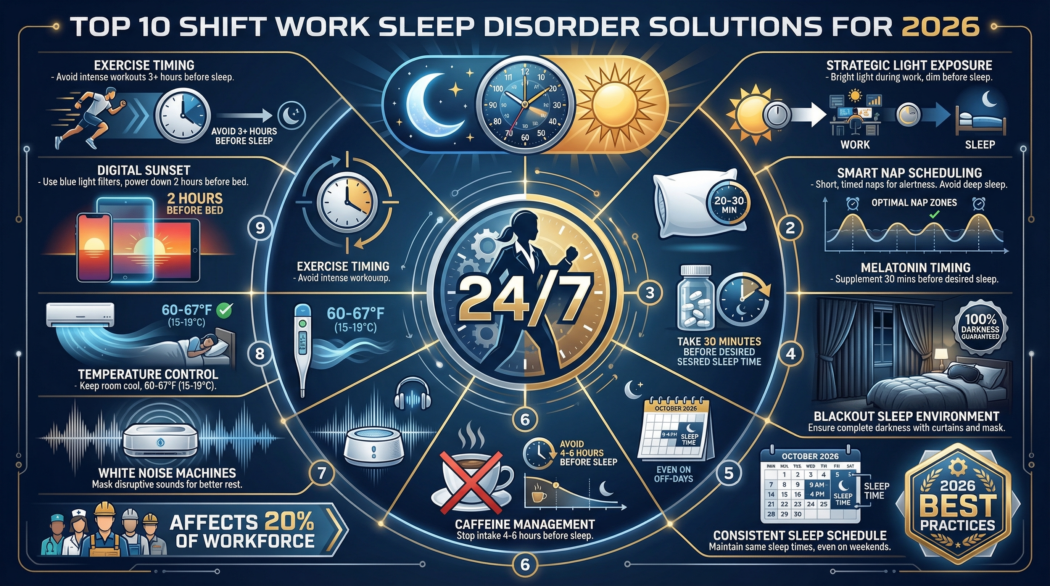
Understanding Shift Work Sleep Disorder (SWSD)
Before exploring solutions, it’s important to understand SWSD. Our bodies are governed by the circadian rhythm, which dictates when we feel alert or sleepy and is mainly influenced by light and darkness. Shift work forces people to be awake when their bodies expect sleep and vice versa. This misalignment can cause negative effects.
Key characteristics of SWSD include:
- Insomnia: Difficulty falling asleep or staying asleep during designated sleep periods.
- Excessive Sleepiness: Feeling overwhelmingly tired and drowsy during work shifts.
- Fatigue: Persistent tiredness that doesn’t improve with rest.
- Reduced Cognitive Function: Impaired concentration, memory, and decision-making abilities.
- Increased Risk of Accidents: Drowsiness and fatigue can heighten the risk of errors and accidents, both at work and during commutes.
According to the National Sleep Foundation, SWSD is a chronic condition that can persist for months or even years if not addressed effectively. The long-term consequences can extend beyond sleep disturbances, contributing to an increased risk of cardiovascular disease, metabolic syndrome, and mental health issues such as depression and anxiety.
Still struggling despite trying multiple solutions? Many shift workers find that targeted sleep support helps their body fully shut down during the day.
👉 Check the sleep solution many night workers are using to support deeper, more consistent rest
The Top 10 Solutions for Shift Work Sleep Disorder in 2026
Navigating shift work requires a multifaceted approach. Using a combination of these strategies can improve sleep quality and reduce the effects of SWSD.
1. Optimize Your Sleep Environment: The Sanctuary of Slumber
Creating an ideal sleep environment is crucial for anyone with SWSD. Since shift workers often sleep during the day, blocking out light is essential. Blackout curtains or sleep masks are invaluable tools.
- Darkness is Key: Even small amounts of light can disrupt melatonin production, the hormone that signals sleep. Ensure your bedroom is as dark as possible. Consider covering any electronic lights from devices.
- Temperature Control: A cool room, typically between 60-67°F (15-19°C), is conducive to sleep. Experiment to find the temperature that works best for you.
- Noise Reduction: Use earplugs or a white-noise machine to mask disruptive sounds, such as traffic, household activity, or early-morning noise.
- Comfortable Bedding: Invest in a comfortable mattress and pillows that support your body and promote relaxation.
By transforming your bedroom into a dark, quiet, and cool sanctuary, you signal to your body that it’s time to rest, regardless of the time of day. A study published in the Journal of Sleep Research highlights the significant impact of environmental control on sleep quality for shift workers.
2. Master Light Exposure: Your Circadian Rhythm’s Best Friend
Light is the most powerful regulator of our circadian rhythm. Using light strategically can help reset your internal clock. Expose yourself to bright light when you need to be awake and minimize light when you need to sleep.
- Morning Light: Upon waking for your shift, expose yourself to bright light. If your shift starts early or is during daylight hours, this can be natural sunlight. For night shifts, consider using a light therapy box (bright light therapy) for 20-30 minutes shortly after waking.
- Evening Darkness: In the hours leading up to your intended sleep time (after your shift), minimize exposure to light. This includes dimming household lights and avoiding bright screens from phones, tablets, and computers. If you must use screens, utilize blue light filters or night mode settings.
- During Night Shifts: If working a night shift, try to keep your work environment as bright as possible to promote alertness. Conversely, wear sunglasses on your commute home to reduce light exposure and signal to your body that it’s time to wind down.
A review in Sleep Medicine Reviews emphasizes that chronotherapy, which involves manipulating light exposure, can be an effective strategy for managing SWSD.
3. Establish a Consistent Sleep Schedule (As Much As Possible)
While shift work disrupts consistency, aiming for a regular sleep schedule on days off can help stabilize your circadian rhythm. This is often one of the most challenging aspects of shift work.
- Prioritize Sleep: Treat your sleep time as a non-negotiable appointment. Inform family and friends about your sleep schedule to minimize interruptions.
- Napping Strategically: If you experience excessive sleepiness during your shift, short power naps (20-30 minutes) can be beneficial. However, avoid long naps close to your main sleep period, as they can interfere with your ability to fall asleep later.
- Maintain a Routine on Days Off: While it’s tempting to revert to a conventional schedule, try to keep a sleep-wake pattern close to your work schedule. This minimizes the ‘social jetlag’ that can occur when your sleep schedule changes drastically.
Consistency, even imperfect consistency, helps your body anticipate sleep and wake times, reducing the severity of SWSD symptoms.
4. Diet and Hydration: Fueling Your Body for Rest
What you eat and drink can impact your sleep quality and daytime alertness.
- Avoid Heavy Meals Before Sleep: Eating large, heavy meals close to your intended sleep time can lead to indigestion and discomfort, making it harder to fall asleep.
- Limit Caffeine and Alcohol: While caffeine can help with alertness during shifts, consuming it too close to bedtime can disrupt sleep. Similarly, alcohol might make you feel drowsy initially, but it disrupts sleep architecture, leading to fragmented and less restorative sleep.
- Stay Hydrated: Dehydration can cause fatigue and headaches. Drink water throughout your shift, but limit fluids in the hour or two before sleep to avoid nighttime awakenings.
- Balanced Nutrition: Focus on a diet rich in fruits, vegetables, and whole grains. This provides sustained energy and supports overall health.
Consulting with a registered dietitian can provide personalized dietary advice for shift workers.
5. Exercise Wisely: Boosting Energy and Sleep Quality
Regular physical activity can improve sleep quality and reduce daytime sleepiness. The timing of exercise is crucial for shift workers.
- Timing is Everything: Exercise during your waking hours, ideally several hours before bedtime. Exercising too close to sleep can be stimulating and make it harder to fall asleep.
- Moderate Intensity: Moderate aerobic exercises like brisk walking, cycling, or swimming are recommended. Avoid strenuous workouts right before sleep.
- Listen to Your Body: Notice how your body responds to exercise at different times. Some people can exercise closer to bedtime without issues, while others need a longer gap.
According to the American Academy of Sleep Medicine, regular exercise is associated with better sleep outcomes, even for individuals with sleep disorders.
6. Strategic Napping: The Power of Short Rest
Napping can help manage excessive sleepiness from SWSD. It’s important to nap strategically.
- Power Naps: Short naps, typically 20-30 minutes, can improve alertness and performance without causing significant sleep inertia (grogginess upon waking).
- Pre-Shift Naps: A nap before starting a night shift can boost alertness and readiness for work.
- Avoid Long Naps: Naps over an hour can disrupt your main sleep period, especially if taken too close to it.
- Consistency: If you incorporate naps into your routine, try to keep their timing and duration consistent.
Research published in Industrial Health suggests that strategic napping can effectively mitigate fatigue-related effects in shift workers.
Still struggling despite trying multiple solutions? Many shift workers find that targeted sleep support helps their body fully shut down during the day.
👉 Check the sleep solution many night workers are using to support deeper, more consistent rest
7. Consider Melatonin Supplements: A Gentle Sleep Aid
Melatonin is a hormone produced by the body to regulate sleep-wake cycles. For shift workers, supplementing with melatonin can help resynchronize the internal clock.
- Consult Your Doctor: It’s crucial to discuss melatonin supplementation with your healthcare provider before starting. They can advise on the appropriate dosage and timing.
- Timing is Crucial: For night shift workers sleeping during the day, taking melatonin a few hours before bedtime may help. For those adjusting to a day schedule, take it in the evening before bed.
- Low Doses: Start with the lowest effective dose, as higher doses are not always more effective and can cause side effects.
- Not a Sedative: Melatonin is not a sleeping pill; it helps signal to your body that it’s time to sleep.
Several studies, including those published in the Journal of Pineal Research, indicate that melatonin can improve sleep onset and quality in shift workers.
8. Develop Wind-Down Routines: Signaling Sleep Time
A consistent wind-down routine before sleep signals to your body that it’s time to rest.
- Relaxing Activities: Engage in calming activities such as taking a warm bath, reading a physical book (not on a screen), listening to calming music, or gentle stretching.
- Avoid Stimulating Activities: Avoid work tasks, stressful conversations, or mentally demanding activities in the hour or two before sleep.
- Mindfulness and Meditation: Practicing mindfulness or meditation can help quiet a racing mind and promote relaxation.
A regular pre-sleep routine can improve how quickly you fall asleep and your overall sleep quality, even when sleeping at an unusual time.
9. Seek Professional Help: When Self-Management Isn’t Enough
If you’ve tried different strategies and still struggle with SWSD, seek professional guidance.
- Sleep Specialist: A sleep physician can diagnose SWSD and other potential sleep disorders, such as sleep apnea, which can exacerbate sleep problems. They can also recommend personalized treatment plans.
- Cognitive Behavioral Therapy for Insomnia (CBT-I): CBT-I is a highly effective, non-pharmacological treatment for insomnia and can be adapted for shift workers. It helps individuals identify and change negative thoughts and behaviors that interfere with sleep.
- Workplace Support: Discuss your challenges with your employer. Some workplaces offer resources or adjustments to help shift workers manage their sleep and well-being.
According to the American Academy of Sleep Medicine, professional evaluation is recommended for persistent sleep difficulties.
10. Optimize Your Schedule (If Possible): The Ultimate Control
While not always possible, optimizing your work schedule can be the most effective way to manage SWSD.
- Forward Rotation: Schedules that rotate shifts in a forward direction (e.g., day to evening to night) are generally better tolerated than backward rotations, as they align more closely with the natural circadian rhythm.
- Longer Sleep Blocks: Schedules with longer sleep blocks between shifts can be beneficial.
- Limit Consecutive Night Shifts: If possible, limit consecutive night shifts to support better recovery.
- Workplace Collaboration: Advocate for scheduling practices that prioritize employee well-being and minimize circadian rhythm disruption.
While individual control over scheduling is often limited, understanding these principles can help workers discuss improvements with employers. You can find more detailed tips for shift workers, including scheduling advice, at Shift Workers Sleep Tips.
The Long-Term Impact of Prioritizing Sleep
Addressing SWSD is not just about feeling more rested; it is about protecting your long-term health and well-being. Chronic sleep deprivation and circadian misalignment are linked to serious health issues, including:
- Cardiovascular Disease: Increased risk of hypertension, heart attacks, and stroke.
- Metabolic Disorders: Higher prevalence of obesity, diabetes, and metabolic syndrome.
- Gastrointestinal Problems: Increased susceptibility to ulcers and irritable bowel syndrome.
- Mental Health: Greater risk of depression, anxiety, and burnout.
By implementing the solutions above, you invest in your present comfort and future health. The year 2026 offers more knowledge and tools to help you thrive despite the demands of shift work.
Conclusion: Reclaiming Your Nights and Days
Shift Work Sleep Disorder is a significant challenge, but not insurmountable. By understanding the relationship between your body’s internal clock and your work schedule, you can use effective strategies to improve your sleep and health.
From optimizing your sleep environment and managing light exposure to making mindful dietary choices and seeking professional help, the power to reclaim restful nights and energized days is within your reach. Embrace these solutions, prioritize your sleep, and unlock a healthier, more vibrant life, no matter your shift.
When shift work disrupts your sleep, routines alone aren’t always enough. If you need extra support to fall asleep faster and stay asleep longer during the day, a targeted sleep solution may help bridge the gap.
👉 Explore this highly rated sleep support designed for shift workers
Frequently Asked Questions (FAQs)
Q1: What are the most common symptoms of Shift Work Sleep Disorder?
A1: The most common symptoms include insomnia (difficulty sleeping), excessive sleepiness during work hours, fatigue, difficulty concentrating, irritability, and headaches. Individuals may also experience gastrointestinal issues.
Q2: How can I improve my sleep if I work night shifts and need to sleep during the day?
A2: To improve daytime sleep, create a very dark, quiet, and cool bedroom using blackout curtains, earplugs, and a comfortable temperature. Minimize light exposure on your commute home and avoid caffeine and heavy meals before sleeping. Consider strategic napping and discuss melatonin with your doctor.
Q3: Is melatonin safe for shift workers?
A3: Melatonin can be safe and effective for many shift workers when used appropriately. However, it’s essential to consult with a healthcare professional before starting, as they can advise on dosage, timing, and potential interactions with other medications. It’s not a sedative but a hormone that helps regulate the sleep-wake cycle.
Q4: Can exercise help with Shift Work Sleep Disorder?
A4: Yes, regular exercise can significantly improve sleep quality and reduce daytime sleepiness. However, it’s crucial to exercise at the right time – ideally several hours before your intended sleep time – and avoid intense workouts close to bedtime, as they can be stimulating.
Q5: How long does it take to adjust to a new shift schedule?
A5: The time it takes to adjust to a new shift schedule varies greatly among individuals. Some may adapt relatively quickly, while others may struggle for weeks or even months. Factors like age, individual circadian rhythm sensitivity, and consistency of sleep habits play a role. Persistent difficulties warrant professional consultation.
Q6: Are there any workplace accommodations that can help shift workers?
A6: Yes, some workplaces offer accommodations such as forward-rotating shifts, adequate break times, access to quiet rest areas, and educational resources on sleep hygiene. Open communication with your employer about your challenges can sometimes lead to helpful adjustments.
References: